
S Viswanath
“Cinema is the greatest mirror of humanity’s struggle. You see this alternative world, but you’re part of it. Everybody is part of it. This is our world.” – Lav Diaz
Year 2025 marks the Centesimo Trigesimo or One Hundred & Thirtieth year since Cinema was born. Cinema, the 20th Century art, as it stands today, is at an inflexion point, and on the threshold of traversing new directions and new horizons as technological developments and innovations dictate and determine the way films are made and consumed.
Indeed a great churning is taking place, the world over, as cinema confronts the new disruptive force that – Artificial Intelligence or AI – is bringing about in the newer idioms of film making and the way films are conceived, constructed and ultimately consumed by the final recipients – the audience. And as Hong Kong martial artist, actor and filmmaker Jackie Chan ominously observes “cinema reflects culture and there is no harm in adapting technology, but not at the cost of losing your originality.”
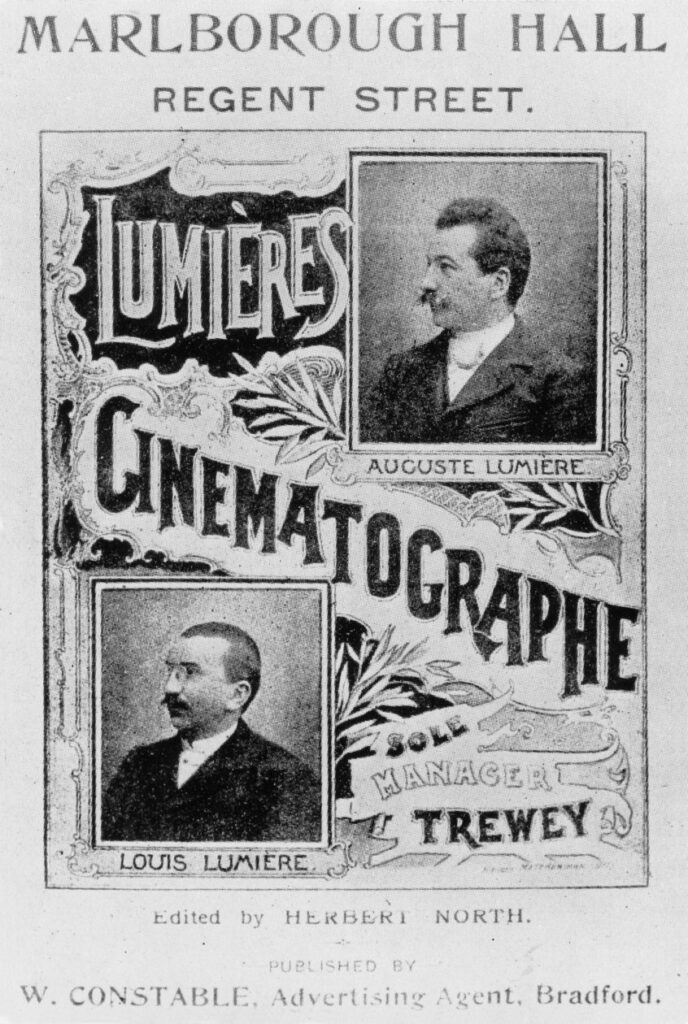
Indeed, since its birth nearly 130 years ago, cinema has come a long way from a technological innovation to an art and aesthetic form that reflects a nation’s culture, its people, their lives, tradition and philosophies. But then, none would have imagined that when on December 28, 1895, the Lumiere brothers – Louis and Auguste – presented before the Parisian public an invention they called the Cinematograph, and made the first public showcase of their technological marvel, with ten short films, in the course of its 130 years long sojourn would turn from a simple, ‘scientific curiosity’ would go on to become one of the defining art of the new Century.
Today, as we have seen, and know, cinema, is an all-encompassing art form assimilating all other arts – painting, theatre, music, literature, photography – as it continues to entertain and engage awestruck audiences the world over through the visual narratives that is brings before them.
Evolving from late 19th Century curio innovation to going on to become most powerful medium for mass entertainment, cultural reflection, and artistic expression, cinema, has been deeply influencing and being influenced by other art forms with its unique and innate ability to visual storytelling providing a perspective and immersive experience, making it the pivot to 20th Century culture and a potent tool for social commentary and global connections.
As Art Historian Erwin Panofsky would want to describe cinema as “the modem equivalent of medieval cathedral,” wherein “all members of film team, from producer to director to technician to actor, work together, like cathedral architect and glaziers and stonemasons, with a single purpose in a joint endeavour,” whose sweat and toil, and tireless man hours are expended to enchant, educate, entertain and enrich us all, each passing day.
Motion pictures, or Cinema, described as “constant source of wonderment and revelation, an enthralling excitement and ennobling experience from which we never recover,” and “quintessential expression of the 20th Century” this December has daintily stepped into its 130th year and what a roller-coaster ride it has been for this century’s marvel, which through the magic of movies, has mesmerised mankind and held it in its thrall, like no other art form.
As is to be expected, with innumerable celebrations and rejoicing in its honour are all in order, there is none who will today dare to accept that he/she does not enjoy going to the movies and immerse themselves in the wondrous worlds it creates and brings before them in the darkened auditoriums.
Yes, audiences, across strata, and geographies, have their own individual method of relating their experiences and perceiving the universe through the fascinating films. It is in this multifarious diversity that constitutes one of the treasures of cinema and its capacity, as one of the most original forms of collective expression, that Cinema, the Seventh Art, to mesmerise, delight and move audiences with the stories and sagas it brings with all the visual narrative brilliance of its makers in command.
Today though, through continuous innovations and assimilation of technology and art and cultural practices Cinema has been capturing the rapid changes, angst and anxieties, and excitements of modern developing world, while, at the same time, punctiliously mirroring various societal and cultural shifts around the world.
Such has been cinema’s innate and intrinsic visual nature that it has been able to transcend linguistic and cultural barriers, creating shared global experiences and becoming a universal language. By providing audiences different perspectives, fostering empathy and understanding, enabling them disconnect and experience parallel realities cinema today is a revolutionary force that has been defining the century’s cultural landscapes, bridging and building human connections beyond manmade boundaries and borders.
Well, to get back to the beginning. It was in the chilling winter month of 1895, the momentous Xmas month, when mankind’s adventure with the magic of movies began way back in 1895. The marvel of moving images enthralling, entertaining, exciting and engaging audiences from them on.
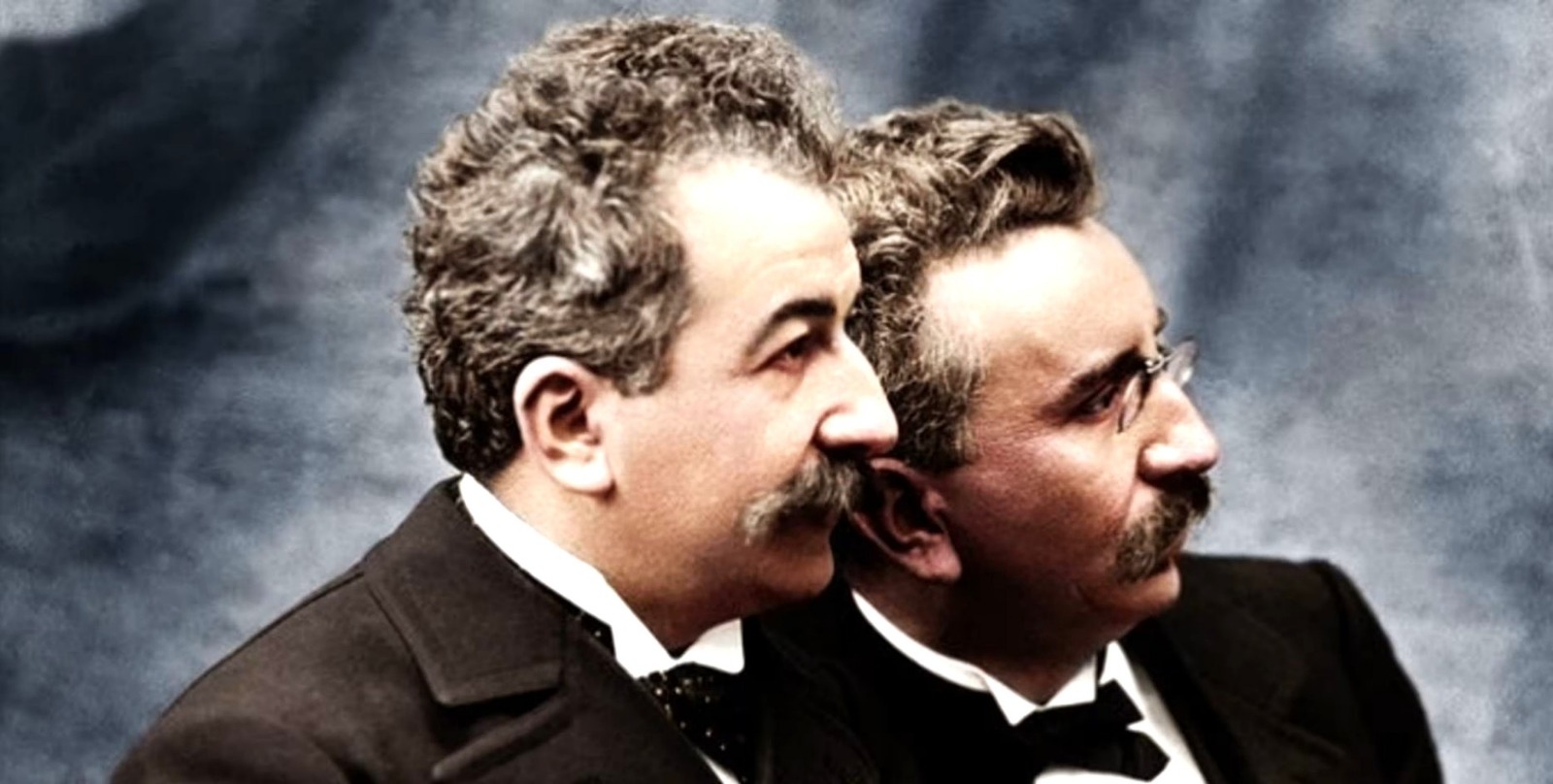
On 28 December 1895 renowned Lumiere Brothers – of Lyon, Capital City, in France’s Auvergne-Rhône-Alpes Region- Auguste & Louis – held a public screening of ten short films. This was at Indian Salon of Grand Café in Paris, heralding humankind’s passionate and perennial love affair with cinema. Ushering the dazzling dawn of Projected Cinema.
Each attendee paying a franc to what was to become one of iconic events in cinema annals’ rich and chequered sojourn. What is recognised as most famous film screening in the history of cinema. The paid film screening of short films at Grand Café beginning the medium’s milestone march.
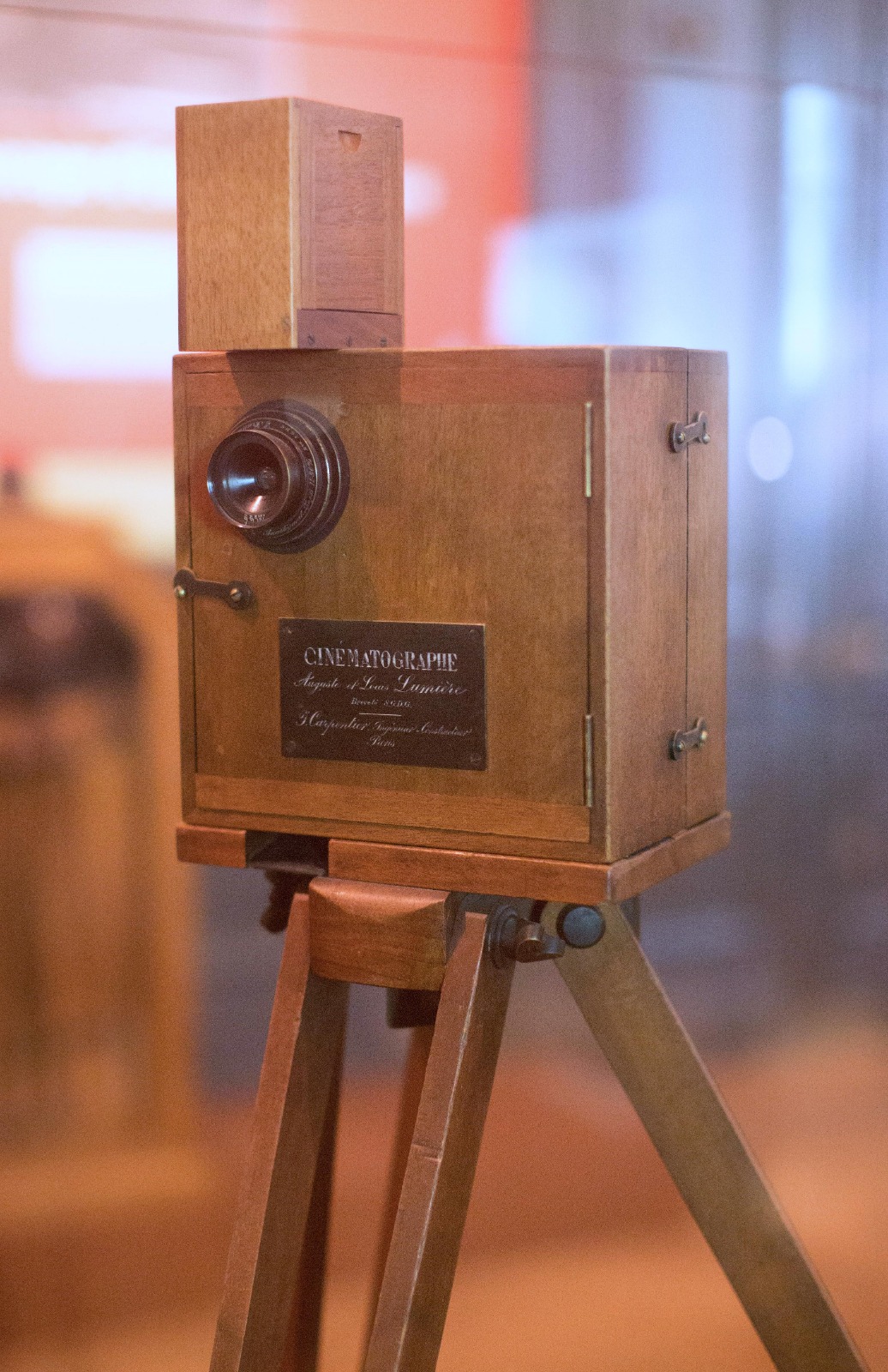
Being owners of largest photographic firm, the two brothers built Cinematographe –first successful camera and projector. They documented daily life around revolutionising what is today’s modern entertainment. The movie going culture that has turned into mega economic and revenue earning activity world over.
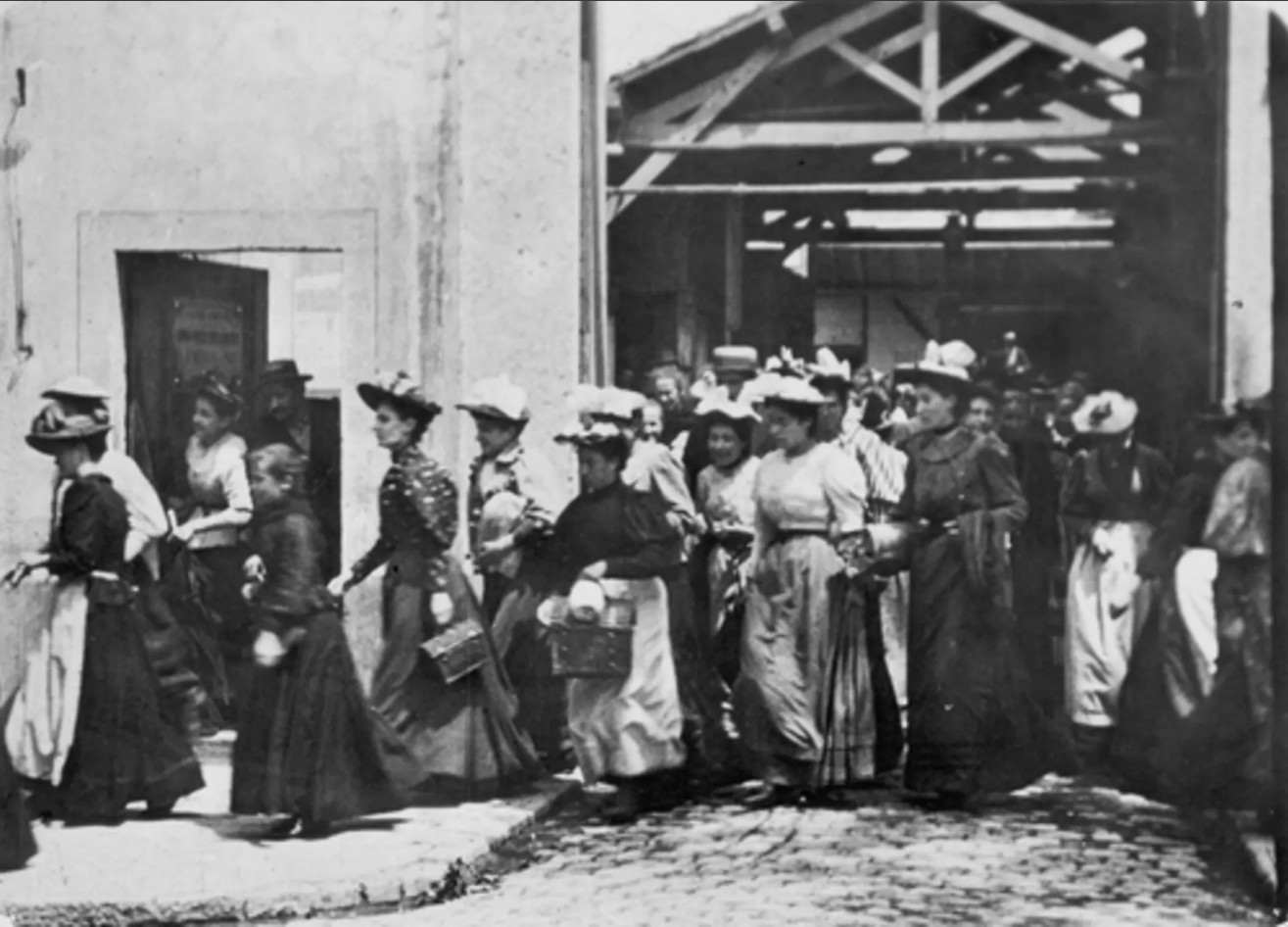
The journey of today’s much feted and frequent art form and entertainment medium began in a very modest manner. Seeking to put their invention into practice, the Lumiere Brothers, on March 19, 1895 filmed Factory Workers leaving after their shift.
Following its exhibition thereafter. There was no looking back. For, over a decade, the brothers’ cameras began picturising and portraying everyday stories of life around them before finally and officially, on December 28, 1895, nine months after their first attempt, showcasing 13 shorts for an audience comprising just 33. In all making total of 1,428 films.
Emboldened by their invention and its meteoric success and reception, the Lumières brothers soon sent operators around the globe to record and screen their films. There upon “bringing the world to the world.” Even hanging gigantic screen from Eiffel Tower, presenting their latest movies to over a million people at Paris Exhibition.
From mere motley viewers of 33, cinema, today, is the most coveted and sought after mass entertainment medium. Patronised and regularly attended by millions of millions audiences and cinephiles world over. Soon becoming not only one of most creative and aesthetic art forms portraying reality as also fictional narratives before avowed and ardent audiences.
Primarily screened within temporary storefront spaces, in tents of travelling exhibitors at fairs, as part of vaudeville programmes, films and filmmaking in early days were seen and purveyed as cheap and simple form of entertainment for masses.
Delighting and dazzling audiences by the “illusory power” of watching series of episodes in motion kindling excitement and enthralling them through novelty it brought to experience, engage in and be entertained.
Likewise, in an effort to enhance audiences’ experiences, you had the shows accompanied by live orchestral musical performances, theatre organ, or live sound effects and commentary from showman or projectionist conducting screenings.
So much so, in its infancy, film/cinema was rarely seen or visualised as possible art form both by its presenters or consuming audiences. Scorned and sniggered at by upper class elite as a ‘vulgar’ ‘lowbrow’ cheap titillating entertainment largely directed at working class.
However, as devices became familiar, the potential for capturing and recreating events on films was exploited primarily through newsreels and actualities saw cinematographers slowly imbibing the aesthetics of the art form and experimenting with the medium and its technological tools.
Thereafter, films, began to take several forms, formats and structures, grammar and idiom to seal its rightful place in dedicated theatres, as filmmakers went about creating powerful emotions crafting compelling and captivating stories. Not that just.
With the advent of sound, graduating from black and white to colour, to modern day streaming platforms, cinema and films have seen many revolutions and turning points continuing to do so constantly and ceaselessly capturing on camera keeping with furiously changing technological and ideation landscape that challenged its creative practitioners.
Graduating from silent, black and white shorts awe-inspiring curio piece capturing everyday lives and events to talkies, to colour, making and exhibition of films, their thematic concerns and narrative styles, as also technological innovations, it has been a rollercoaster ride for technological marvel called cinema following continuing cinematic innovations and exhibitions, cinema has cruised a chequered path these last 130 years.
From being just pureplay entertainment medium to one of most coveted visual and aesthetic arm form which has thrown up iconic auteurs and celebrated cinemas in these century and thirty years, the Seventh Art, as cinema is described, has held both ordinary movie going audiences and discerning cinephiles in its thrall emerging both as entertainment and eclectic art form.
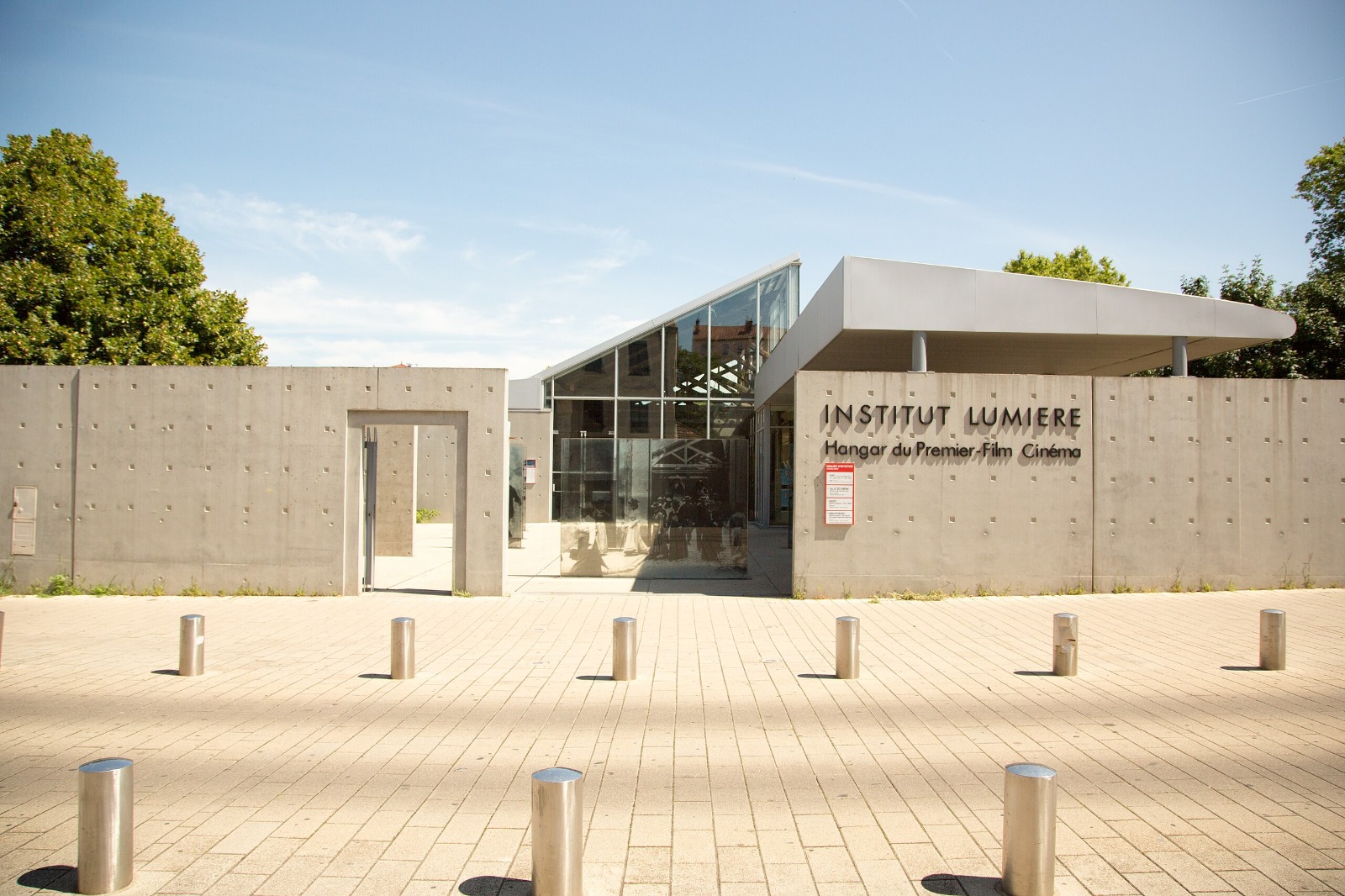
Of course, before Lumiere brothers, there were several pioneering precursors who propelled the process of visual art form – films or cinemas or motion pictures and its development and slow and steady growth. But it was Lumiere Brothers who, with their first public exhibition of shorts, who set cinema on course and form it has taken today and continues to reinvent and reshape every passing day.
Described as opiate of masses which sees audiences in the darkened theatres lose themselves in the fascinating tapestry of tales and tantalising sagas they bring before them, films today have become second nature to mankind in their pursuit of entertainment and engagement with harsh realities of life and living.
Yes, in these last 130 years cinema has shaped society inspiring billions of spectators around the world. Far beyond the immense financial windfall it brings to its practitioners and producers, it remains a singular vector of emotion and engagement.
From first public Kinetoscope demonstration in 1893 by Thomas Edison Company to its commercial success year later, to projected moving pictures before paying audience by Lumière brothers in December 1895 in Paris, France, with their novel invention – Cinématographe, a camera, a projector and film printer all in one.
Cinema today is a monolith institution and industry, churning dreams, commerce and art, thanks to the creative enterprise of its practitioners and continued patronage by the captivated consumers.
Despite rise of new communication channels, cinema still retains unparallel place in our hearts, with filmmakers passion and cinephiles commitment for visual narratives, capturing collective unconscious and popular culture of millions of masses.
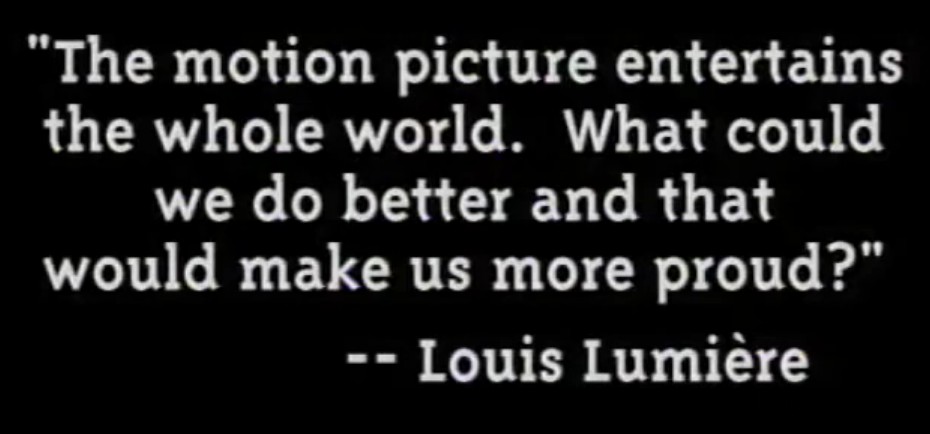
Indeed, cinema, movies and films, continues to ceaselessly chug on. Cinema seen both as art form and commerce, represents a mesmerising medley of culture and technology, thriving as an elixir of entertainment. And ironically so, given that one of its inventor Louis Lumiere, despite the brothers’ greatest invention, had somehow believed that “Cinema is an invention with no future.” It is to our good fortune that his invention which went on to take several forms and formats has gone on to prove him wrong delivering sheer joi de vivre and spreading cheer even to this day.
As French writer and film producer Serge Bromberg punctiliously puts it “searching for films is like…..(being) a treasure hunter. You never know what treasure you’ll find. You want to go for more. You know there are more treasures to be found out there. That’s step number one. Then, step number two: you realise that the most important (thing) is not film hunting. The most important (thing) is audience hunting. Because a film only exists in the moment it is shown to someone.”
And as Francis Ford Coppola, renowned film director effusively observes “Cinema is a mirror by which we often see ourselves. Cinema is a mirror that can change the world. I think cinema, movies, and magic have always been closely associated. The very earliest people who made film were magicians.” . So true. The magicians are still at work even today. The spectacular narratives they bring before us still drawing us to them like droves of bees to the bonnet. Vive la Cinema!

S VISWANATH is a veteran film critic who officiates as JURY at several National & International Film Festivals.






Leave a Reply