
S Viswanath
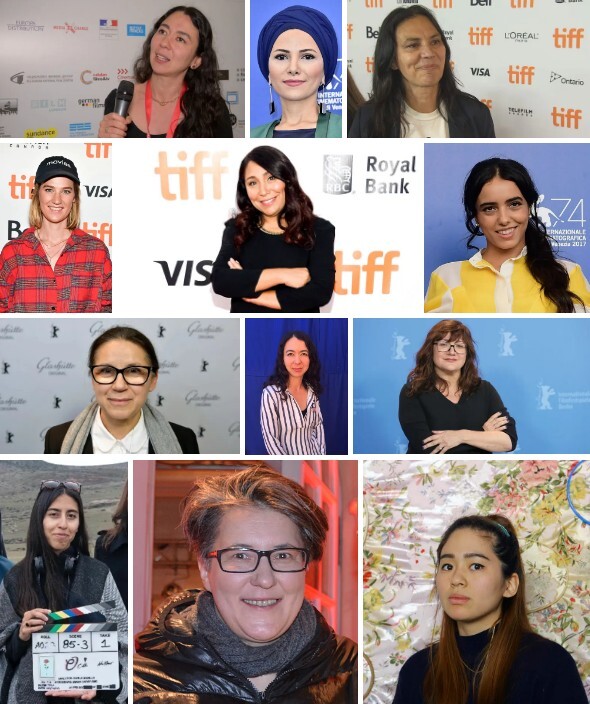
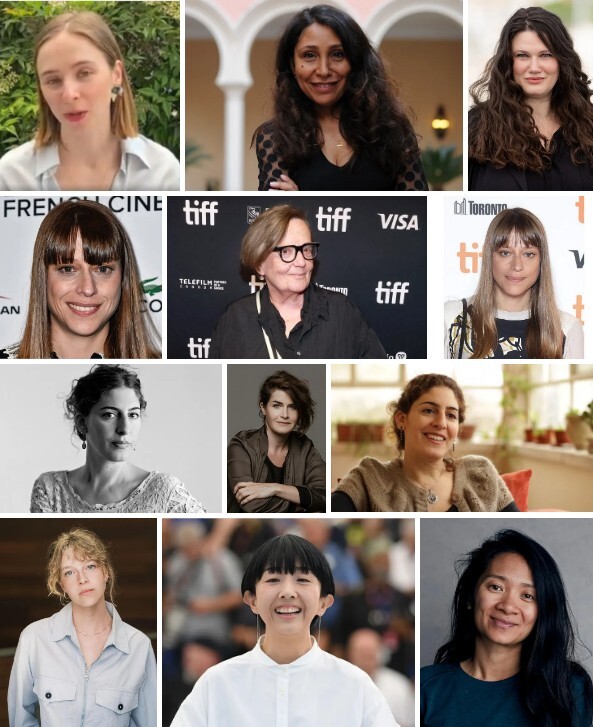
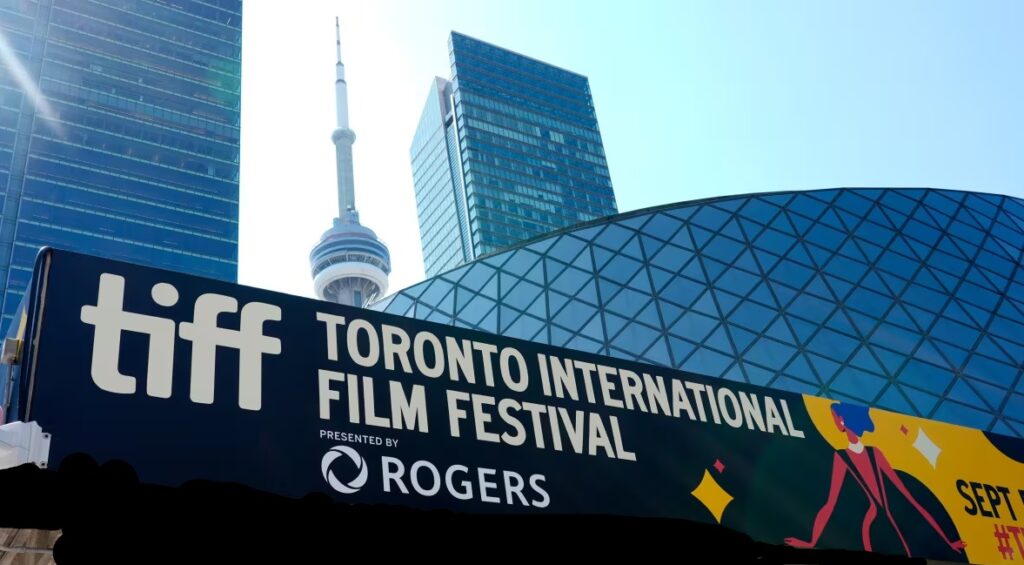
Increased inclusion. Improved representation. Diverse perspectives. Thee and much, much more has been guiding principles and stated tenets of the Toronto International Film Festival, as also a new normal among film festival across the globe, actively working to improve the representation of women directors, be it in front of and behind the camera.
This stated commitment and singular objective of actively working towards creating a more inclusive film landscape, both within the festival ambit and in the larger ubiquitous industry sphere, has been, year and year, been reflected in the TIFF’s programming and curations, that have sought to showcase and bring in diverse perspectives challenging traditional cinematic norms, recognising that cinema is a reflection of the world and requires all perspectives to be represented.
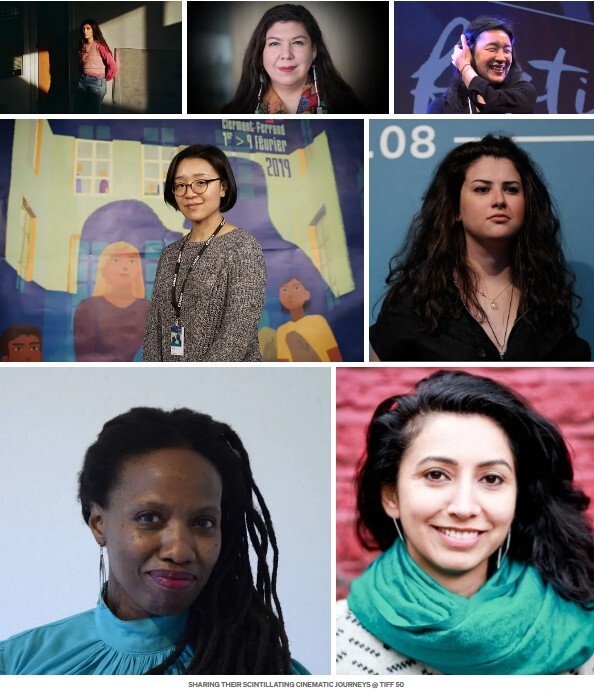
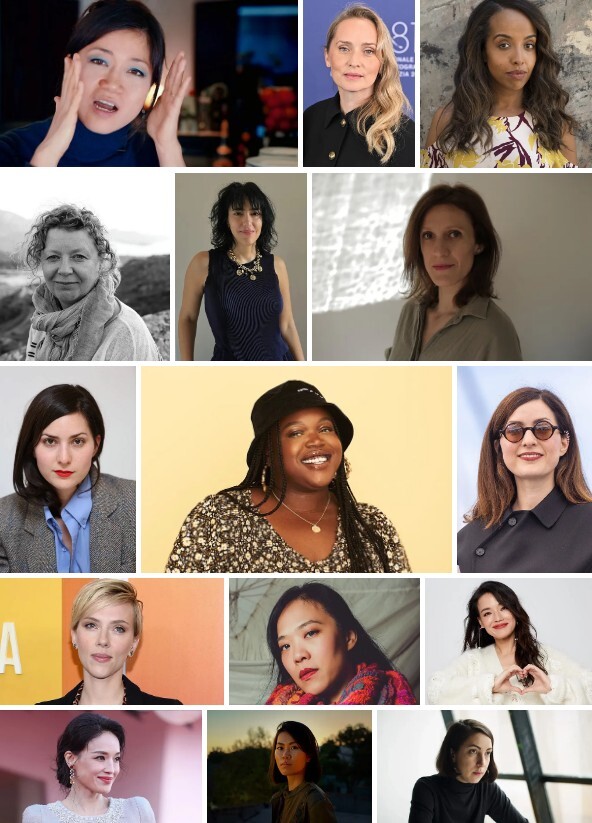
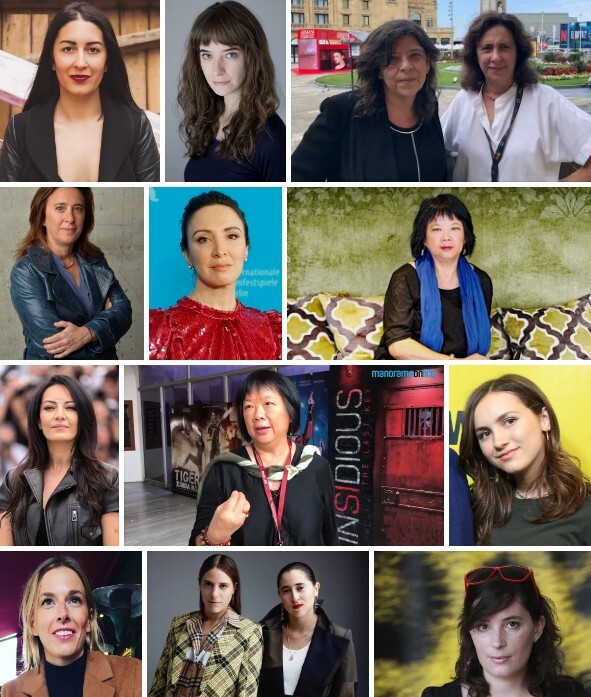
Actively celebrating women director TIFF has been specifically noted for its conscious efforts to feature women filmmakers from around the world (in this case culled from as many as 25 countries) with nearly 55 films from among the 90 being showcased in the various curated sections the film festival boasts of.
TIFF, which is into its Golden Jubilee year, has witnessed sizeable increase in the percentage of films directed by women over the years. From about 22 per cent in 2013, 36 per cent of films overall in 2023, the numbers have been only growing. This time representing about 39 per cent of films being showcased not only challenging long standing gender norms and biases towards women. The idea also being to spotlight on the impact of story telling women directors bring to the table providing inspiration for future women film makers through its conscious representation of women films and filmmakers at the annual film festival.
In fact, TIFF’s specifically driven trailblazing initiative SHARE HER JOURNEY which “began in 2017 as a five-year campaign committed to addressing gender parity and championing women in front of and behind the camera, both year-round and during the Toronto International Film Festival, has since evolved into a permanent TIFF initiative, supporting creators at every stage of their professional journey. This global movement is dedicated to building frameworks, empowering creators, and forging paths for women to succeed as storytellers who help shape our cultural landscape.”
So, in the Discovery Section you see 12 out of 23 films by women, from Platform Section 6 out 10 films, 7 out of 21 films under Gala Presentations,
13 out of 53 films in the Special Presentations Segment, one in the ten number Midnight Madness Section, the Wave Length Features presenting 2 out of 7 films, with the festival’s flagship Centrepiece Section featuring 13 out 65 films, the docs and shorts notwithstanding.
Here is a peek into the films where women crank the camera and hold the centre stage of action of the nifty narratives and tantalising themes that unfold before you.
100 Sunset by the Vancouver, British Columbia ‘s Kunsang Kyirong is a Tibetan fare about a young introverted thief spies on her Tibetan community in Parkdale, Toronto, where she meets an unexpected confidant.
The Chinese film Amoeba by Chinese-Singaporean, Los Angeles based Siyou Tan speaks of how a set of teenage girls form a gang as an act of resistance in a country where chewing gum and feeding pigeons are illegal and shows how the tomboy schoolgirl persuades her three classmates at an all-girls school to rebel by forming a triad gang.
Canadian Sasha Leigh Henry’s Dinner With Friends provides viewers an inside view of a fractured group of eight longtime friends who intermittently come together for dinner parties to share in the joys and pains of being adults today.
Forastera by Spaniard filmmaker Lucía Aleñar Iglesias based out of Los Angeles During draws audiences to a sun-soaked summer in Mallorca, where a family mourns the loss of its matriarch. It shows how a teen quietly steps into her grandmother’s role, in this tender, beautifully crafted debut about grief, memory, and the strange echoes that live within us.
Ghost School by Seemab Gul Pakistani filmmaker based in London centres around 10 year old Rabia who defies rural superstition and bureaucratic neglect to uncover why her school abruptly closed as she undertakes a singularly courageous search for truth and justice, in this fictional fable exploring corruption with a tinge of magical realism.
Julian by Belgium’s Cato Kusters speaks of how Fleur and Julian fall madly in love and impulsively decide to get married in all countries where they, as two women, are allowed to do so. However, we witness that, after their fourth one, their journey comes to a painful and unexpected halt.
Johannesburg based Zamo Mkhwanazi’s South African debut docu-feature Laundry depicts the struggles of a young man trying to find his own path and save his father and his family business under a violent and oppressive apartheid regime. How the young man’s aspirations as a musician clash with preserving his family’s laundry business amid intensifying racial discrimination against Black entrepreneurs is succinctly told.
Mexico’s Oca by Karla Badillo charts the struggles and sojourn of a young nun setting off on a mystical pilgrimage to save her dying congregation, while encountering others whose own trials of faith, privilege, and contradiction mirror her haunting search for sacred purpose in a broken world.
Out Standing by Canada’s Mélanie Charbonneau is a biopic about Sandra Perron, Canada’s first woman infantry officer, who resigns from service following a controversial photo that surfaces and how adapting to civilian life amidst an investigation, she denies abuse allegations despite evidence suggesting mistreatment within her unit.
Jordanian actress turned filmmaker Zain Duraie’s Sink provides a magnificent portrait of a mother struggling with her son’s unravelling mental state refusing to accept her suspended high school senior son’s deteriorating mental health by clinging to belief he only needs direction even as warning signs multiply and crisis looms.
The UK film The Man in My Basement by Nadia Latif is an adaptation of Walter Mosley’s novel that charts the tumultuous situation Charles Blakey, an African American man living in Sag Harbor finds himself in when a mysterious white businessman with a European accent offers to rent his basement for the summer man for a generous sum that draws Blakey into a chilling reality involving his own family’s hidden history.
Compatriot Stroma Cairns’ The Son and the Sea set against the rugged beauty of northern Scottish coast is described as an intimate, visually striking debut feature following three young men at life’s turning point — learning what it means to grow up. When Jonah and his best mate Lee take the trip they meet Charlie soon learning that connection goes beyond words, and joy can be found despite loss.
Ali Asgari schooled Iranian Farnoosh Samadi’s Between Dreams and Hope is about a trans man and his partner – Azad and Nora – travelling to a remote Iranian village to face his estranged father to obtain documents that would permit them to as a couple legally, freely, challenging social and family norms in this soulful queer saga.
Bouchra by the Moroccan duo – Orian Barki and Meriem Bennani, both based in New York City, is a 3D animation debut feature Bouchra which combines documentary techniques with an inventive narrative structure, while exploring the relationship between Bouchra, a 35-year-old queer Moroccan Coyote filmmaker, and her cardiologist mother (also a Coyote), in Casablanca as they explore together the love, pain and secrets that unite them through calls and intimate conversations.
France’s Nino by Pauline Loquès is about Nino, who, following a sudden diagnosis and doctor’s advice, and facing mortality tries to reconnect with the world and himself with grace, quiet humour in the company of family and friends over the course of his birthday weekend.
The Currents the Argentinian feature by Milagros Mumenthaler focuses on Argentinian artist Lina who surviving a fall in the icy waters of a lake in Switzerland journeys through trauma, memory, and motherhood during a business trip to Geneva as she tries to bury her secret.
South Korea’s The World of Love by Yoon Ga-eun is a powerful, emotionally layered drama, about a spirited teenager who confronts buried pain,
exploring the stories of young children and youth.
Winter of the Crow by Poland’s Kasia Adamik is based on a short story by Nobel Prize–winner Olga Tokarczuk, and is a thrilling cat-and-mouse game set on the eve of Poland’s Martial Law era wherein British Professor witness to a student’s murder by secret police in 1981 Warsaw becomes a target while running through the city’s streets, eventually forced to stop and take a stand.
Rebecca Zlotowski’s French feature A Private Life starring Jodie Foster is a sly black comic psychological mystery thriller wherein a suspicious death yields a series of twists as renowned psychiatrist Lilian Steiner mounts a private investigation into the death of one of her patients, whom she is convinced has been murdered.
US actresses-director Scarlett Johansson’s Eleanor the Great is a thoughtful, provocative, and funny feature directorial debut, about a nonagenarian who passes herself off as a Holocaust survivor, who, on moving to New York City for a fresh start, strikes friendship with a 19-year-old student.
Hamnet by Chloé Zhao is a lush and tender drama about William Shakespeare and his family, as seen through the eyes of his thoughtful wife Agnes based on 2020 novel by Maggie O’Farrell that fictionalizes the life and death of William Shakespeare’s son, Hamnet Shakespeare.
Canadian Ally Pankiw ‘s Lilith Fair: Building a Mystery is a galvanizing documentary that takes viewers behind the scenes of Sarah McLachlan’s legendary all-women music festival.
Palestine 36 by Annemarie Jacir set in 1936 villages with rising numbers of Jewish immigrants escaping antisemitism in Europe, and the Palestinian population uniting in the largest and longest uprising against Britain’s 30-year dominion, all sides spiral towards inevitable collision in a decisive moment for the British Empire and the future of the entire region.
Peak Everything Picture by Anne Émond is an inventive rom-com that suggests that there’s no better time to open your heart than when the world seems on the cusp of collapse. A kennel owner, grappling with climate anxiety, falls in love with a customer service rep over the phone and embarks on an adventurous, bilingual romantic journey to find her.
Rachel Lee Goldenberg’s Swiped is inspired by the real-life story of Bumble founder Whitney Wolfe Herd and former CEO of dating platform.
Dead Lover by Grace Glowicki is about a wily, lonely gravedigger who stinks of corpses finally meets her dream man, but their whirlwind affair is cut short when he tragically drowns at sea. Grief-stricken, she goes to morbid lengths to resurrect him through madcap experiments.
Calle Malaga by Morocco’s Maryam Touzani spotlights on 74-year-old Spanish woman in Tangier who resists her daughter’s decision to sell her home and forced out against her will from her blissful existence.
Couture by Alice Winocour featuring Angelina Jolie, set in the Parisian fashion industry, weaves multiple threads of women and girls from Ukraine, France, and Sudan, in the lead up to a fashion show.
Lisa Rideout’s Degrassi: Whatever It Takes delves deep into all things Degrassi in this engaging history of Canadian show that changed teen TV.
Poland’s Agnieszka Holland ‘s Franz is described as a masterful tour de force portrait of legendary writer Franz Kafka.
Hedda by Nia DaCosta takes viewers to mid-century England, in its bold reimagining of Henrik Ibsen’s play throwing a new light on feminist game of power.
Mary Bronstein’s If I Had Legs I’d Kick You revolves around Linda tempting to navigate her child’s mysterious illness, her absent husband, a missing person, and an increasingly hostile relationship with her therapist.
Mexico’s It Would Be Night in Caracas by Mariana Rondón is a powerful, forceful drama about Adelaida, who, after burying her mother, finds her home taken by armed militia, following which she must risk all, including her identity, to survive.
Based on her 2017 documentary Birth of a Family – Meadowlarks by Tasha Hubbard a Canadian First Nations/Cree filmmaker and educator based in Saskatoon, Saskatchewan is an emotional drama that follows four siblings, separated by the Sixties Scoop, as they reunite for one week.
Poetic License Maude Apatow’s debut feature, is a hilarious and generous college comedy which focuses on the unlikely friendship between two college seniors and a mature woman auditing their poetry course – Sam and Ari, as they compete for the affection of Liz.
Silent Friend by Hungarian Ildikó Enyedi presents a tender portal of a majestic tree observing humans over time.
German Mascha Schilinski’s Sound of Falling stitches past and present, telling the history of a tumultuous century through the lives of four women, separated by decades but united by trauma, uncover the truth behind its weathered walls who spend their respective youths on the same farm in northern Germany harbouring generations of secrets. The film won the Jury Prize at the 78th Cannes Film Festival.
Norwegian filmmaker Mona Fastvold’s The Testament of Ann Lee co-writer of The Brutalist, examines the life and beliefs of Ann Lee, one of pre-Revolutionary America’s most seminal religious figures the founding leader of Shaker Movement, proclaimed as female Christ by her followers. Depicts her establishment of a utopian society and Shakers’ worship through song and dance, based on real events.
Based on the bestselling novel by Michela Murgia Three Goodbyes by Spain’s prolific director Isabel Coixet is a heartfelt love letter to life follows a couple, Marta and Antonio, who split up after what seems like an trivial argument.
Blood Lines by Gail Maurice is a Métis same-sex romance about an estranged Métis mother and daughter struggle to overcome their differences but their world comes crashing down when an attractive woman enters their lives.
Hungary’s Blue Heron by Sophy Romvari is troubling story of a family’s growing crisis where a family of six settles into their new home on Vancouver Island as internal dynamics are slowly revealed through the eyes of the youngest child.
Dandelion’s Odyssey by Japanese Momoko Seto a live-action and animated no dialogue features four dandelion achenes who escape nuclear annihilation, launching themselves into the corners of space and working together to survive on a strange new world storytelling.
Taiwanese film Girl by Hong Kong’s (Lin Li-hui ) Shu Qi is a coming-of-age debutant film at once harrowing and beguiling in its attention to the beauty that lies waiting even in life’s difficult moments. In 1988, smoke and dust covered sky in Keelung Harbor Lin Xiaoli grows up in confusion longing to escape the darkness, when she meets Li Lili, a fearless and free girl.
Director duo Madeleine Sims-Fewer & Dusty Mancinelli’s Honey Bunch is about Diana who wakes from a coma with amnesia following an injury, she and her husband seek experimental treatments at a remote facility. As the procedures intensify, their marriage is put to the test and Diana begins to question her husband’s true motives as the woman begins to experience strange occurrences.
Taiwanese-American filmmaker Shih-Ching Tsou’s Left-Handed Girl debut explores family, tradition, and modernity through a child’s eyes where a single mother and her two daughters relocate to Taipei to open a night market stall, each navigating the challenges of adapting to their new environment while striving to maintain family unity.
Mama by Israel’s Or Sinai centres around Mila who has spent 15 years working away from her husband and daughter. An accident sends her unexpectedly back home to rural Poland, where Mila has to face a new truth: her family had been moving on without her.
Nomad Shadow by Japanese American filmmaker Eimi Imanishi explores the refugee experience through a young Sahrawi woman who’s deported back to Western Sahara struggling to readjust to her homeland and confront family tensions sparked by her earlier departure.
Hong Kong born Chinese filmmaker Mary Stephen’s Palimpsest: The Story of a Name digs into her own family past to uncover the long-hidden origins of her Western surname, revealing a story of culture shock, colonialism, and contested remembrance exploring her family history to discover why she has a Western last name, uncovering tales of cultural collision, colonial influence, and disputed memories.
Japanese film Renoir by Chie Hayakawa captures the delicate transition from childhood to adolescence through Fuki, an 11-year-old girl grappling with her father’s terminal illness and stressed-out working mother while encountering various adults dealing with their own struggles.
The Little Sister by Hafsia Herzi of Franceis is a sensitive and affecting coming-of-age drama which tells the story of Fatima, a devout young Muslim woman, as she struggles to balance the dictates of her religion with her sexuality. When Fatima leaves her close-knit suburban family to study philosophy in Paris, she finds herself caught between her religious upbringing and the freedom of student life in the city.
Unidentified by Saudi Arabia’s Haifaa Al Mansour is a crime thriller that questions our collective fascination with tales of femicide and transgresses all manner of jurisdiction in its dogged pursuit of justice.
Whitetail by Netherland’s Nanouk Leopold speaks of Jen who has carried the guilt of a tragic accident since her teens – now, the past catches up, forcing her to find a way forward.
Surely, the 50th Edition of TIFF with its ensemble 55 films from women filmmakers promises a veritable festival fiesta to toast and fete the preceptive and perspective thematic concerns and unique voices that these nifty narratives bring to the annual celebration of cinemas in Toronto’s Cinema Paradiso!
S VISWANATH is a veteran film critic who officiates as JURY at several National & International Film Festivals. He deputises as CHIEF CINEMA CURATOR/PROGRAMMER & CREATIVE ADVISOR for Bengaluru International Film Festival (BIFFes). He also curates & advises on the selection of shorts & documentaries for Bengaluru International Short Film Festival (BISFF). Mr Viswanath is the author of “RANDOM REFLECTIONS: A Kaleidoscopic Musings on Kannada Cinema”.




Leave a Reply