
S Viswanath
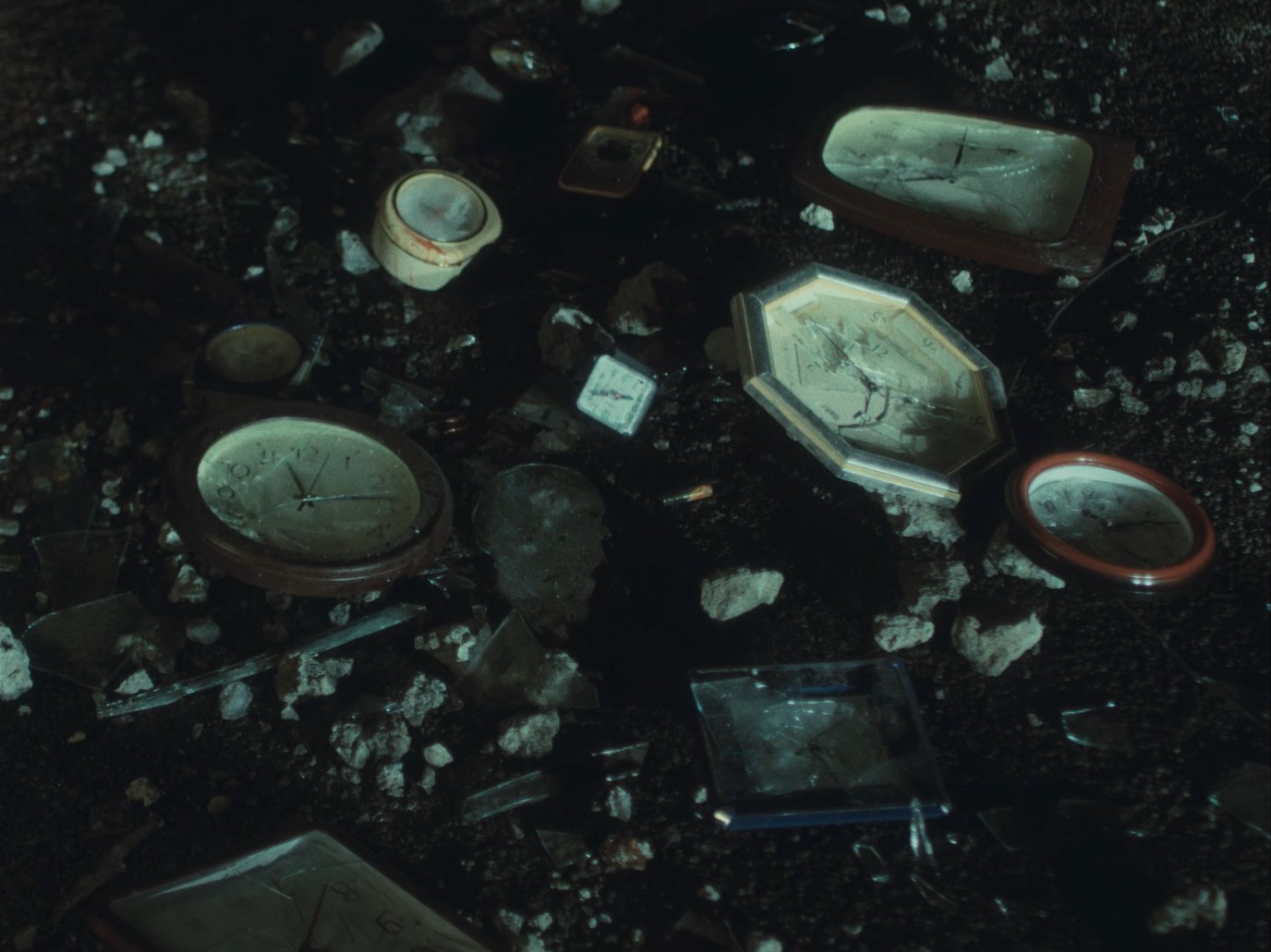
“ TIME is a continuous illusion of sequential events that occurs clearly from past to present and into the future. TIME is constant and functions similarly elsewhere. ” The scientist character Prof Pluto in the film The Ink Stained Hand & The Missing Thumb.
“ The two most powerful warriors are Patience & Time .” by Russian litterateur Count Lev Nikolayevich Tolstoy – Leo Tolstoy in War and Peace.
“ Use the time of a total stranger in such a way that he or she will not feel the time was wasted .” American author Kurt Vonnegut
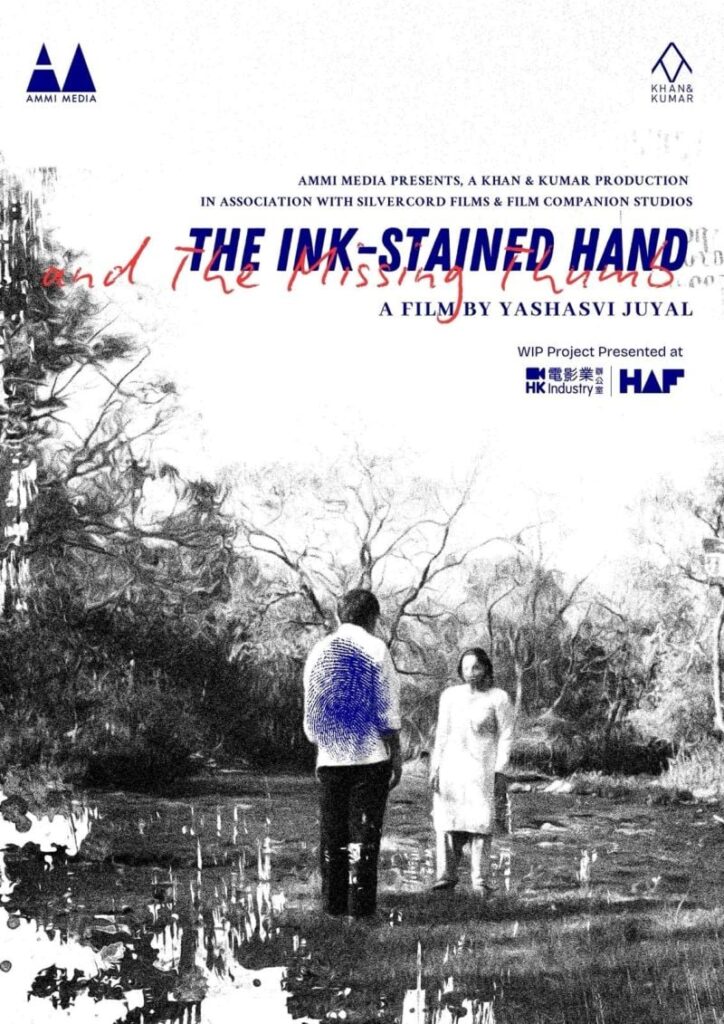
Stylising himself more in the mould of India’s yesteryear celebrated creative cinema auteurs Kumar Sahani & Mani Kaul’s school of minimalist, deeply visual and temporal exploration in their thematic treatment and narrative structure, young, upstart, aspiring and self-taught Yashasvi Juyal, reverentially invokes and imbibes their cinematic styles with his debutant full length directorial feature The Ink Stained Hand & The Missing Thumb.
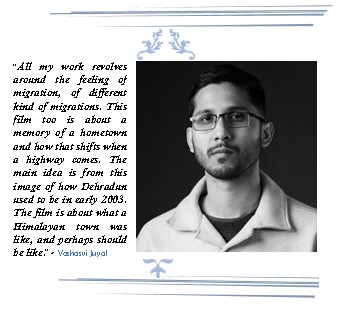
The talented independent filmmaker of promise from India’s Dehradun, winter Capital of Uttarakhand district, who has, as is proverbial practice & rite of passage, transitioned from directing shorts to his debut feature without formal film school training.
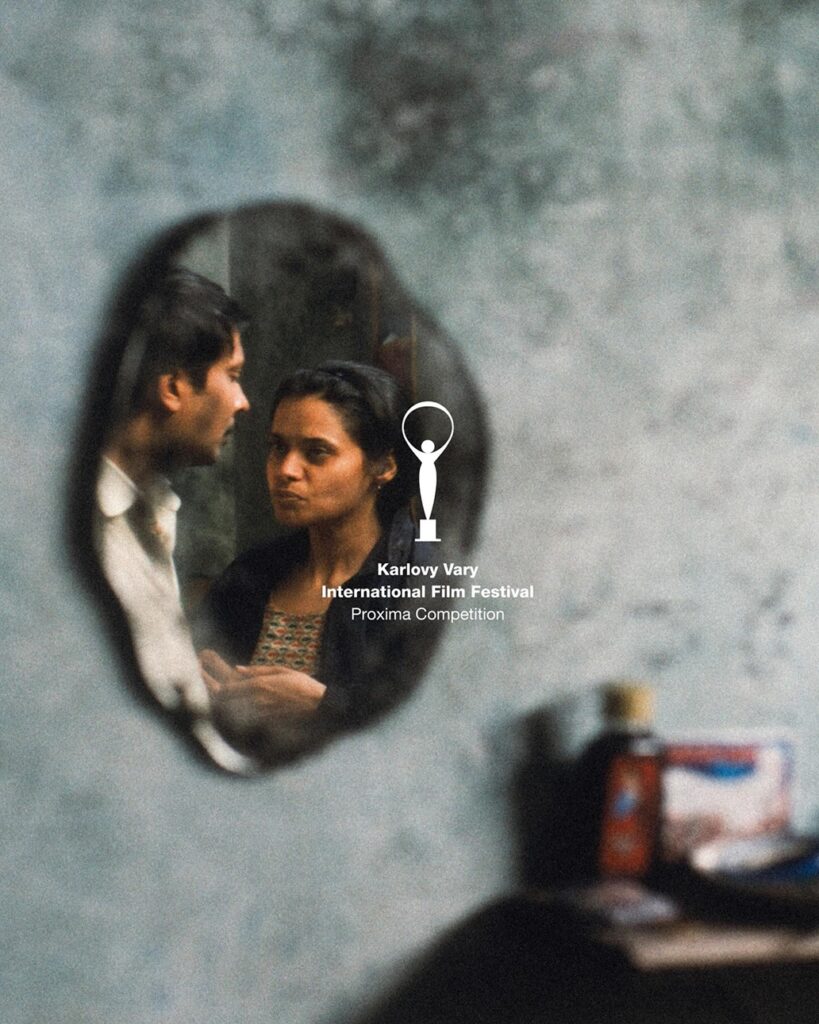
Incidentally, the young filmmaker’s film was picked and presented in the prestigious Proxima Competition of the milestone Karlovy Vary International Film Festival, which was feting its 80th year of founding and 60th edition of the annual Central & Eastern Europe’s prestigious and prominent cinema carnival at the Czechia’s Spa & Hot Springs – Shangri-La town of Karlovy Vary. That the film did not make the cut to pouch the coveted award is another matter.
Like Mani Kaul or for that matter Kumar Sahani, both finest & proud filmmakers of the country’s Pune headquartered premier film institution – Film & Television Institute of India or FTII, the self-taught Yashasvi Juyal too, energetically and exuberantly taken to highly cinematic experimentation and visual narrative form with his The Ink Stained Hand & The Missing Thumb.
A film which sorely comes across as one that is not easily accessible and admirable for those especially uninitiated with the aesthetic cinematic idioms and experimental iterations with the film form while conveying the film’s larger socio-political and ideological context and concern which the filmmaker is seeking to impress upon his audiences.
Deliberate in his intent and ideation, especially organising the film’s visual narrative through almost absolute sense of stasis rhythm, heightened sense of inertia, maudlin, melancholic and meditative mood, and capturing cinematic time in its various dimensions, through langsam, languorous prolonged and laconic pace, the frames stretching the film’s cinematic time almost to a stillness, compelling audiences to literally weigh the physicality of silence and stationary scenes, the director ensuring each and every pause and moment sinks in into the psyche of the viewer.
As the film’s Prof Pluto speaks on the subject on his science show on TV “the subject seems quite simple. But is also complicated,” so does Yashasvi Juyal, as if, following in the footsteps of the scientist, experiments with the concept of “cinematic” time as he slowly, sedately, and in a very soporific manner details the larger thematic topic of his film and the subjects who play out the parts to press home the homily during the course of the film’s 2:06:56 mins of runtime.
At the pith of The Ink Stained Hand & The Missing Thumb’s plotline is a tale of two lovebirds – Rajji & Santosh, two souls, slogging at a toll booth, coworkers and cohabitants basking in their marital bliss. Their harmonious, humdrum and happy life harshly hived off by the untimely death of Santosh after a truck rams into the booth while doing duty.
While Santosh awaits his promised and prospective promotion and departure from their drudgery for better prospects away from Nagina, Rajji awaiting her degree, which she receives post Santosh’s demise, while perpetually luxuriating in the scientific discourse that Prof Pluto propounds on his TV show, and equally awaiting their sojourn for the better.
The unfortunate and ill-omened demise sees the film, and its filmmaker, take a 360 degree turn, as magical realism nudges itself into the narrative when Santosh in a spirit form returns much to the astonishment of his fellow workers while a grief stricken and mourning Rajji welcomes her beau happily as if he had always been there, though she witnessed his death from the other end of another booth.
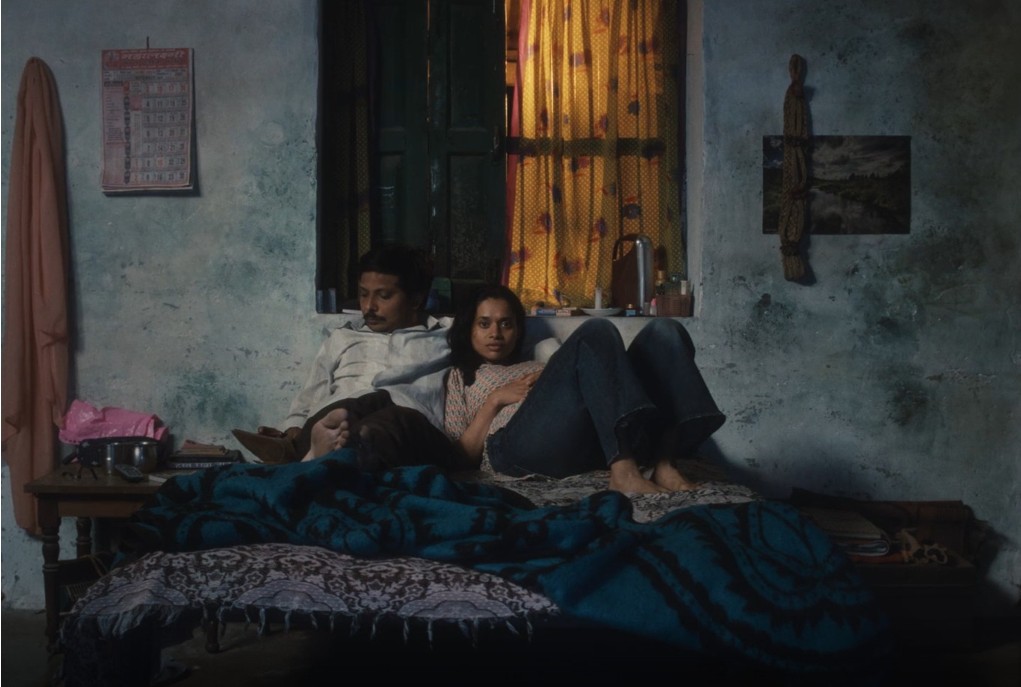
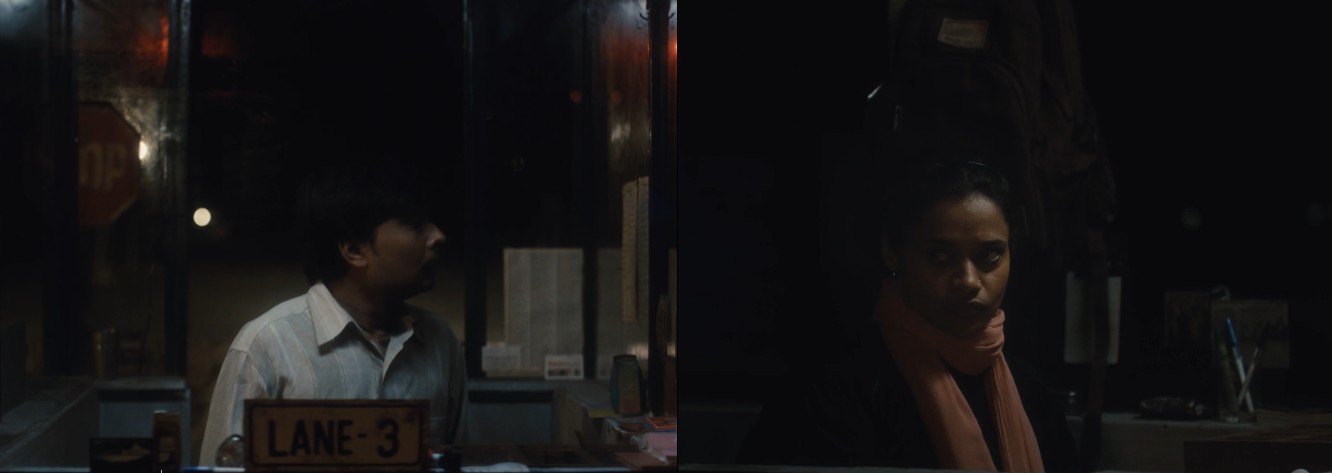
An otherwise mundane, mournful and melancholic sorrowful saga takes the Haiku form as the young Yashasvi Juyal shifts gear donning the experimental mode turning the rather tender grieving tale of love, loss, isolation and longing into an excruciatingly slow, almost static saga inviting viewers to assimilate the dreary and plodding plot beyond its peripheral text into a much more methodical sub-text in understanding the film’s larger socio-cultural and political message it is seeking to address and deliver across.
Even as film’s confused characters, confabulate and confer what to make of the ‘Return of the Living Dead’ as to whether he is a sprite, or a figment of their freewill imagination, or invoking of the happy memories of Santosh amidst them, the afterlife, and Rajji has stoically settled with him into another marital routine, the audiences are invited to dissect and surmise as to the film’s larger purport and premise from the technical trajectory and idiomatic style that it takes in presenting the film treading beyond the matter of fact manner way of dealing with the theme.
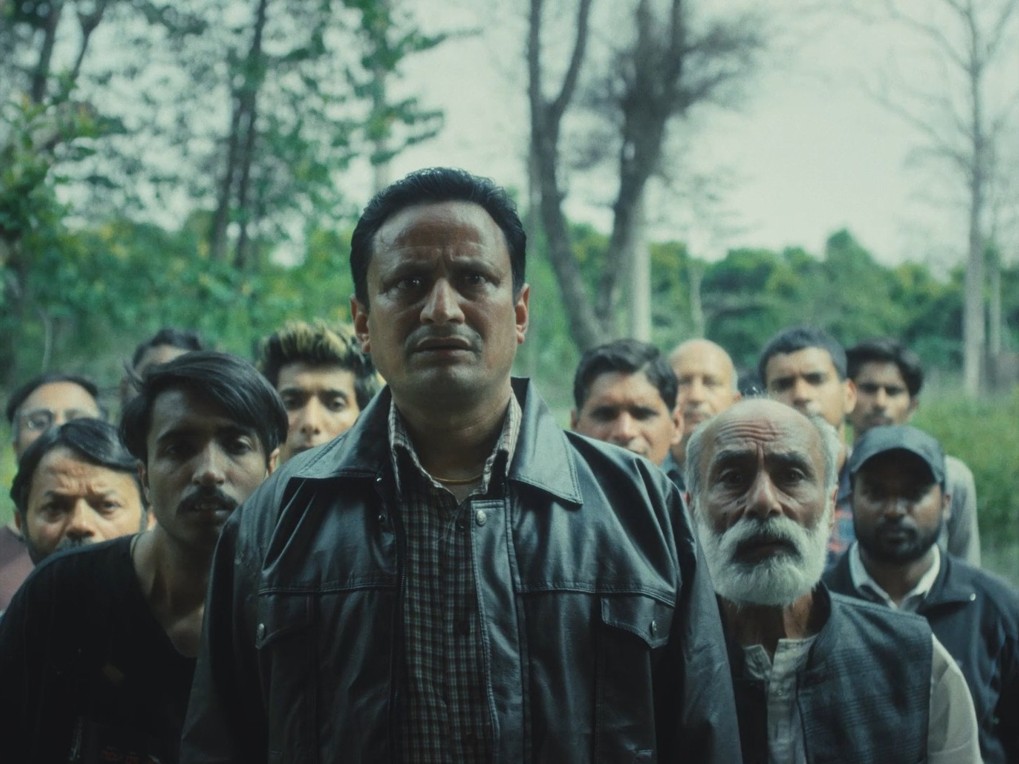
The audiences / viewers are left to liberally read meanings and metaphors on the toll booth, the marital home, the couple’s coexistence, the wife’s constantly tethered to the TV show, the scientific discourse, the nondescript town as the site of action and the sum and sundry of its textural experimentation that is playing out before them without waning interest or be driven to and fighting somnolescence while doing it with all the will power at their command.
The 1996 born Dehradun director Yashasvi Juyal, whose film took the film shape and structure following a fortuitous mentoring by American filmmaker & actor Spike Lee has said “I was inspired by the pilot of Twin Peaks by David Lynch,” which is very evident in the way The Ink-Stand Hand & The Missing Thumb set in 2003, has panned out in its final form.
In the end though, on has to hastens to state, that the film which throbs and thrives in its overt socio-political commentary on development and displacement, nostalgia and migration, death and grief, arrivals and departures, however, does itself a disservice taking the less trodden trail of languorous, lethargy pace which leads to an abject sense of listlessness in its rather long, lengthy narrative, while, otherwise, it would have won hands down given its pulsating premise.





Leave a Reply