
S Viswanath
“One of the things we learn in movies directed by women is what real women are about. I don’t think that men see things wrong and women right, just that we do see things differently.” Jane Campion – New Zealand Filmmaker.
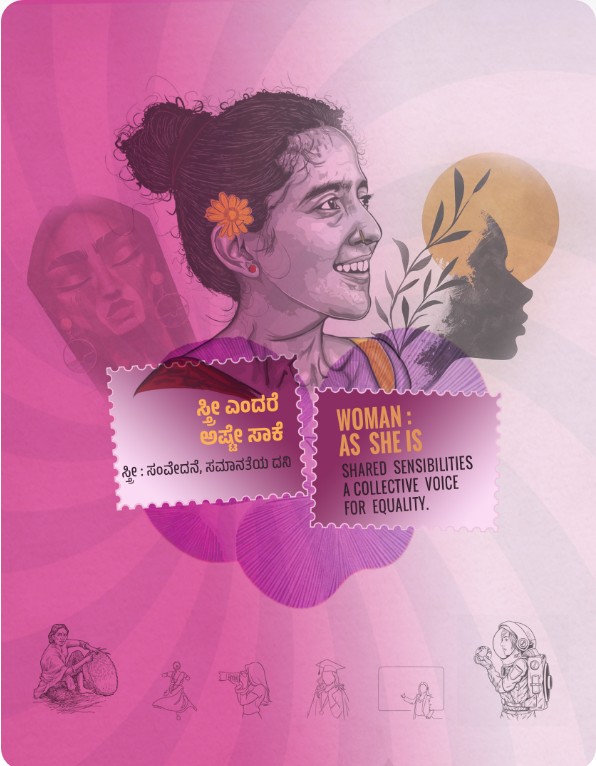
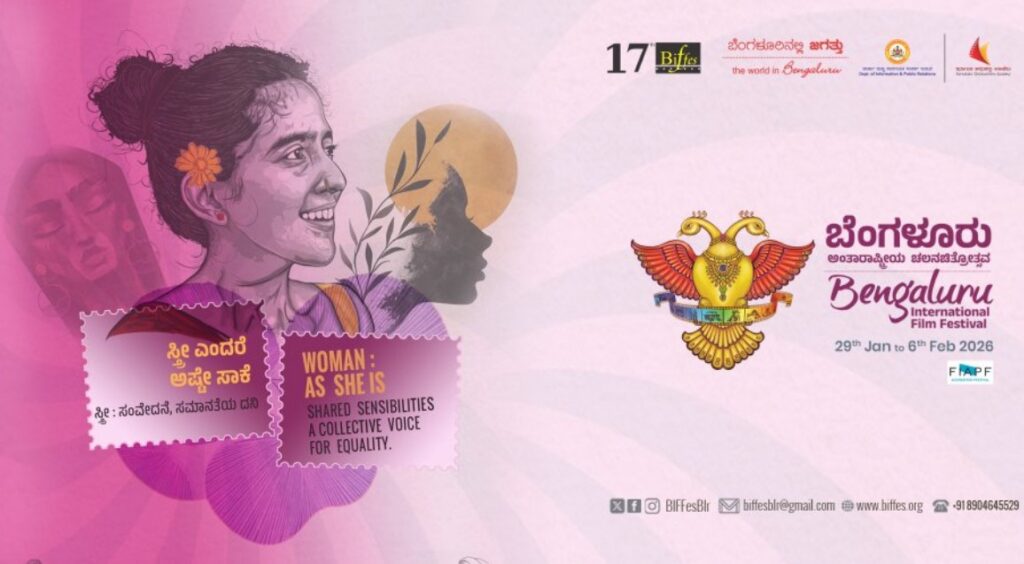
Gender equity and women empowerment being the guiding beacon of film festivals, lately, the 17th Edition of Bengaluru International Film Festival – BIFFes – has stylised itself on the theme of Stree Yendare Ashte Sake (Is being a Woman enough!) taking its thematic text from noted poet Dr G S Shivarudrappa eponymous poem.
In consonance with this, in an effort to engage and enlist cinephile audiences with trailblazing cinematic works of women film makers and bring forth the ‘female gaze’ into the social political narratives they address, the festival has also adopted the tagline of “Woman: Shared Sensibilities, A Collective Voice for Equality,” providing a perspective peek into the curated cinemas by women directors.
Yes. Representation matters. A platform that provides equal opportunities to cherish and celebrate films by women, and of women and social structures they navigate, through an ensemble of eclectic films by women film makers featured.
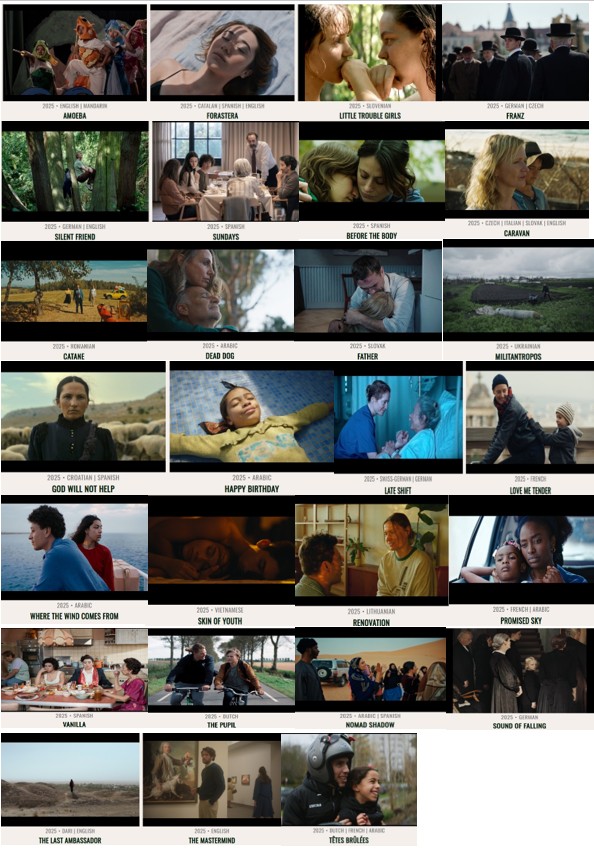
Nearly 35 odd films by women directors, some debut features, few sophomore sojourns and 0handfull by seasoned auteurs make for a mixed medley of movie experience as they vie with other contemporary cinemas that have travelled the film festival circuits and have been appreciated and awarded for their wonderful tour de force and themes so tackled.

From teens caught in the Tsunamic swirl of social and personal issues caught in the cusp of adulthood and decision making threshold to women navigating the individual, societal, traditional and modern expectations and shackles are all caught on camera by these enterprising ensemble of women filmmakers.
The films provide a multifarious and multitudinous thematic concerns and narratives that engage and catalyst audiences’ reflective mood and retrospection as they watch the various protagonists wade through the river of life with fortitude and determination.
The BIFFes’ Critics’ Week Section features a festoon of five films out of eight by women filmmakers. These are the debutant feature by Singapore born Los Angeles based Tan Siyou’s coming of age interesting teen campus caper – Amoeba.
Likewise, Spanish director Lucía Aleñar Iglesias’ debut foray Forastera spotlights on a young Cata as she navigates and anchors the grief stricken family coming to terms with the loss of its matriarch. In Urska Djukic’s Slovenian teen campus fare Little Trouble Girls, as the title bespeaks for itself, you sojourn with Lucia, on the cusp of adulthood, as she grapples with her physical changes and austere upbringing during a Catholic school’s all-girls choir’s weekend outing at a countryside convent.
Silent Friend ( Stille Freundin) by Hungarian filmmaker Ildiko Enyedi, like its counterparts, is also situated in a German university campus housing a ginkgo tree at its botanical garden, weaves stories of scientific curiosity and personal isolation as two students and a neuroscientist reflect on life and environment around them.
The third feature by Spanish woman director Alauda Ruiz de Azua Sundays (Los Domingos) again plays out against a varsity canvas as an idealistic and brilliant young Ainara stands at the threshold of adulthood and life’s choice going against the conventional expectations of choosing a convent life and austere contemplation.
The Country Focus section on Poland features one of the most prominent of Polish directors Agnieszka Holland who brings a fresh insight and perspective insight into the life and times of the 20th Century Czech writer Franza Kafka in her biopic Franz and what fascinates the literature community on his enduring legacy.
The Contemporary World Cinema section, which forms a festival’s principal pivot and sheet anchor that draws the droves of die-hard cineastes to the cinema carnival, boasts of as many as over 30 films by women directors from among 70 odd films which forms the complement of films being showcased in the section. ,
Before The body by Argentina’s Carina Piazza & Lucia Bracelis speaks of how a caregiver mother tries to cope with demands of her job and that of attending to her own little daughter’s needs. Hungary’s Blue Heron by Sophy Romvari, her debut feature, showcases a family’s dynamics through the eyes of its two children, the young Sasha and elder errant Jeremy. Caravan the debut foray from Czech director Zuzana Kirchnerova is an emotive and touching roadie of a mother fending for her Down Syndrome and autistic child David and the connections she makes enroute to her own personal discovery.
Romania’s Catane by Ioana Mischie is an intriguing and interesting tale set in a village where a majority of its folks receive disability assistance even while not showing any evidences of being afflicted leading to the health and social services inspectors to pry into the hidden reality of the situation. Sara Francis’ Lebanese fare Dead Dog presenting a probing account into a couple’s dynamics when a woman’s solitary existence is ruffled by the sudden return of her husband and how they confront the new togetherness it throws them into.
The Slovakian film Father (Otec) is a gut-wrenching and highly disturbing tragic tale wherein a couple suffer the loss of their child following a momentary memory loss by the husband leading to their child’s death and coming to terms with it. God Will Not Help (Bog Nece Pomoci) by Hana Jusic from, Croatia, Happy Birthday by Sarah Goher from Egypt, Kika debutant feature by Belgium’s Alexe Poukine, Switzerland’s Petra Biondina Volpe’s Late Shift, How a mother fights for the custody of her son following a relationship gone sour with her former hubby forms the fulcrum of French filmmaker Anna Cazenave Cambet’s second feature Love Me Tender, how a woman confronts her political and social situation as her independence is threatened forms the forceful narrative of Maysoon by Greece’s Nancy Binadaki.
Caught in the never ending conflict the Ukrainian film Militantropos by the director duo Yelizaveta Smith & Alina Gorlova brings to fore the harsh and bitter realities of the Russian invasion and the devastation it is bringing onto Ukraine and its diaspora drawn into a never ending conflict. Japanese-American director Eimi Imanishi’s debut feature Nomad Shadow speaks of a deported woman’s trials and tribulations as she confronts the constricted culture of her Sahara home, while Tunisian director Erige Sehiri’s Promised Sky spotlights on an Ivorian pastor whose tranquil world is turned upside down with the arrival of a little orphan girl, testing her relationship with those with her.
Lithuanian director Gabriele Urbonaite’s debut flick Renovation centres round a woman caught between setting up a family and personal independence as she strikes a relationship with a construction worker, while Vietnamese fare Skin Of Youth by Ash Mayfair relates the tumultuous journey of a transgender sex worker seeking to undergo the sex change even while she is in relationship with a dog-cage fighter.
Among other films include Mascha Schilinski’s interesting and intriguing Sound Of Falling, Tunisian Danish filmmaker Maja Ajmia Yde Zellama’s maiden fare Tetes Brulees where a 12-year-old’s life living in a Tunisian Muslim family is upended following the death of her brother, Austrian filmmaker Natalie Halla’s The Last Ambassador documents the life of Afghanistan’s last female ambassador fighting for the rights of girls and women in Afghanistan, while American filmmaker Kelly Reichardt’s The Mastermind is an art heist thriller.
The Dutch sports drama as the title The Pupil suggests speaks of the young football player’s fascination for his coach which turns into questionable ethical and moral issue of abuse, while Mayra Hermosillo’s Mexican debut drama Vanilla narrates the friction in the family of seven women ridden with debt and prospects of losing their homestead, through the innocent eyes of an eight-year-old Roberta while the Tunisian flick Where The Wind Comes From another debut feature by Amel Guellaty speaks of an aspiring young artist lass who escapes from home to participate in a national art competition in a distant city along with her confidante.
The film festival further as part of its thematic tradition will see a panel discussion on the festival theme in conjunction with the women’s forum – Karnataka Lekhakiyara Sangha which will see a curated line up of films being featured prior to the moderated academic debate.

S VISWANATH is a veteran film critic who officiates as JURY at several National & International Film Festivals.


Leave a Reply