
S Viswanath
From Pitch to Premiere goes the tagline of Adelaide Film Festival Investment Fund (AFFIF). A fund that provided the Adelaide Film Festival its unique identity and branding from its other sister film festivals Down Under.
The Adelaide Film Festival Investment Fund germinated in Circa 2003 with the singular mission and vision of channelising equity investment in Australian screen productions, launches careers, and profiles local stories in the international context.
Since that the Adelaide Film Festival Investment Fund has been assiduously taking local stories to the globe cinema amphitheatre giving them the necessary visibility and platform as a springboard to future success and furthering one’s career.
Yes, being different, the Adelaide Film Festival, thanks to the mandate of its Investment Fund, has ensured it goes beyond the ritual of just screening of films, but being a festival helps make them happen as well, for needless to say “we are all a little more connected than we think,” from whichever part of our planet but drawn by the mesmerising magic of the movies.
From the day and year it took off, in these last 23-odd years, the Adelaide Film Festival Investment Fund has been responsible in ensuring the premier and seeding of over 150 projects, which includes some of the most significant and acclaimed Australian films and moving image works of this century.
In keeping with this sacred tradition the Adelaide Film Festival Investment Fund has announced the first tranche of four films financed and which have found fruition under the scheme in the run up to the Adelaide Film Festival in the Halloween month of October from 14 to 25, 2026.
According to Australian Film Festival Chief Executive & Creative Director Mat Kesting said these films are united in being “urgent, compelling stories brilliantly realised for the screen”, especially, “at a time when the world is fractured and fragmented, (and) each deepens our understanding of what it means to be human.”
“These stories, diverse and rich in culture, take us from the traditions of women from Kumarangk, to the traumas of war in eastern Europe and the aftermath of violence. I am incredibly proud to showcase all these films as part of AFF this October,” he observes.
The first set of quartet docu-feature films that the Adelaide Film Festival curators and programmers have announced include Kuba Dorabialski’s Agata The Writer, Bojana Novakovic’s intimate, insightful and personal documentary The Forbidden Aunt, Tracey Rigney’s KUMARANGK: Sacred Women’s Business and the director-duo Jared Nicholson & Ben Lawrence’s cathartic Aftermath.
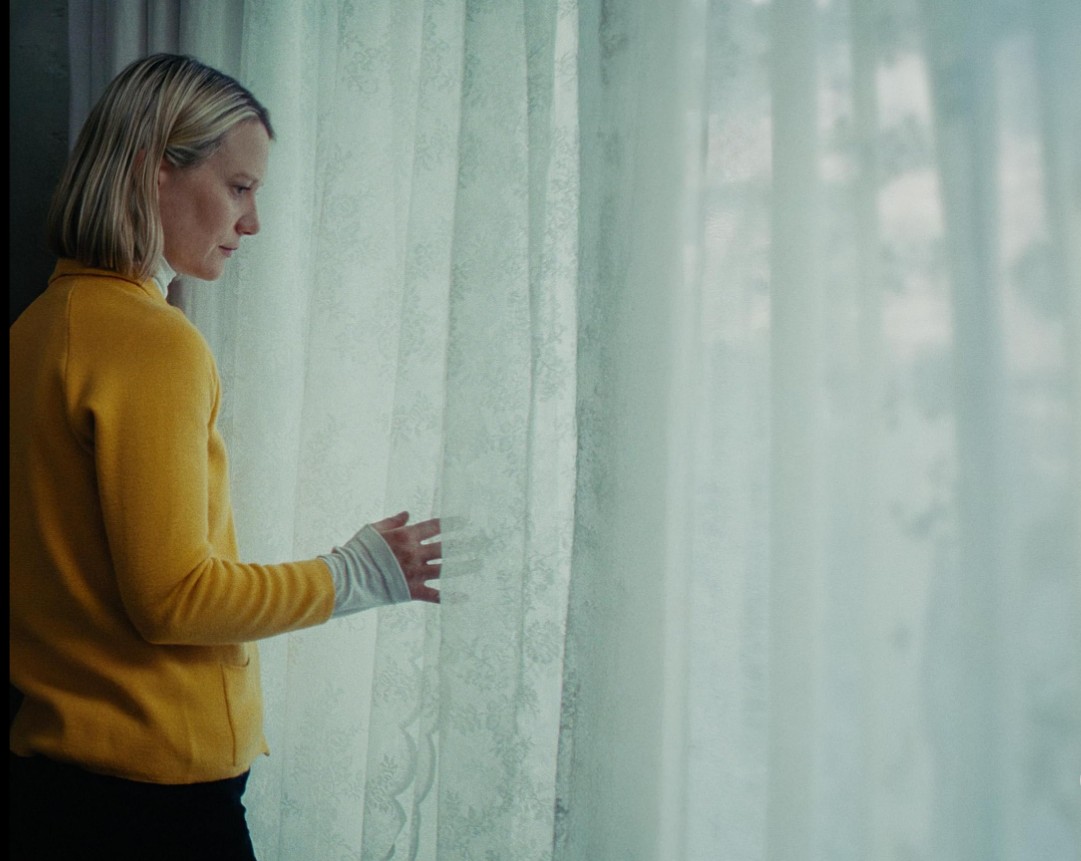
The 82 minute debut feature film by Sydney based Polish-born Australian visual artist and filmmaker Kuba Dorabialski, Agata The Writer, following its World Premiere at the 2026 Venice Film Festival arrives for its Australian premiere at Adelaide Film Festival.
Featuring Mia Wasikowska playing the titular role of Polish (originally from Wrocław, Poland)-Australian satirical novelist, the film charts her travels from Sydney to Sarajevo to write a serious epic war novel set during the ethnic Bosnian skirmishes.
Blending narrative cinema, literature, and experimental video elements, the film showcases how, the famed author, trapped between storytelling, war and the truth, finds herself within a startling mystery, forcing her to question her role as a storyteller.
As Agata sets about her task immersing herself in the City’s grey beauty and layered history, she discovers that her motives are questioned by the very people who have lived through the trauma as she questions the survivors. As Agata reads the first chapters of her new novel, it becomes clear that the story is not about the war itself, but about the quiet, human moments of resilience that persist in its shadow.
What unsettles her quest for the story, which blurs the boundaries between memory, fiction and lived experience, is that the provocative artworks filling her guesthouse where she is houses begin to vanish.
Evoking the atmospheric and formally adventurous, Agata the Writer gradually shifts beyond conventional narrative into an increasingly hypnotic and unexpected reflection on authorship, artistic responsibility and the stories we choose to tell.
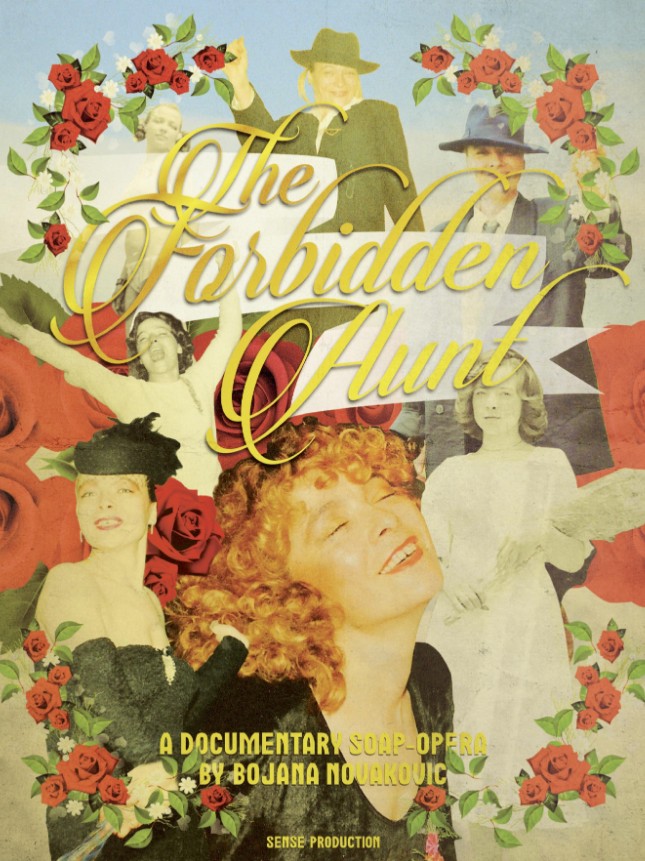
Set in Serbia, the 95 min The Forbidden Aunt by Bojana Novakovic speaks about how after a gut-wrenching breakup, the Serbian-Australian actor-turned-filmmaker Bojana Novakovic leaves the dazzling world of Hollywood and heads to rural Serbia, hoping to reconnect with her eccentric, estranged Aunt Gordana for some much-needed peace. However, Bojana doesn’t anticipate, is the storm that will pull her into a whirlwind of family secrets, forcing her to confront the hidden trauma that’s shaped four generations of women in her family.
Once the family’s black sheep, Gordana has dabbled with multiple lives – hairdresser, mother, alcoholic, widow, successful salon owner and, eventually, caregiver. Bojana had long seen her aunt as a symbol of resilience. But as she films, that story begins to unravel, exposing difficult truths about abuse, addiction and the lasting consequences of generational trauma and patriarchal violence as she turns the camera on her own family unravelling the secrets of four generations of women who never planned to tell them.
Blending dark humour, family conflict and the heightened style of Turkish soap operas Gordana loves, The Forbidden Aunt evolves from an intimate portrait into an exploration of female trauma across generations, resilience and the possibility of breaking cycles that have endured across generations. The result is a rousing documentary about the survival of four generations of women in the face of patriarchal violence.
Through a mix of interviews, archival footage, and Turkish soap-opera-style reenactments, this documentary portrays the deep complexity of Gordana’s life, and secrets about the women in her family. Raised in communist Yugoslavia, Gordana turned to alcohol, men and soap operas to cope with the trauma of her upbringing.
By 19, she was a young mother, and soon to be an alcoholic, divorcee, and widow. Bojana’s interviews uncover joyful memories as well as darker truths: Gordana was a neglectful mother, but she also survived a history of abuse—mistreated by her father and raped by a tutor.
Gordana kept this secret for decades, revealing it now in her 60s. These revelations force Bojana and her family to confront generational trauma. The film forces us to reflect: Can an alcoholic mother be loved? How can trauma be healed? From a innocuous joyful exploration of a rebellious spirit the film turns into a deep exploration of patriarchal Balkan culture and its effects on the personal lives of four generations of Serbian women in one family.
Incidentally, Bojana Novakovic born to computer programmers Biljana and Radovan Novakovic in Belgarde in 1981, immigrated to Australia as a seven years old, when the family arrived to settle down in Sydney, New South Wales.
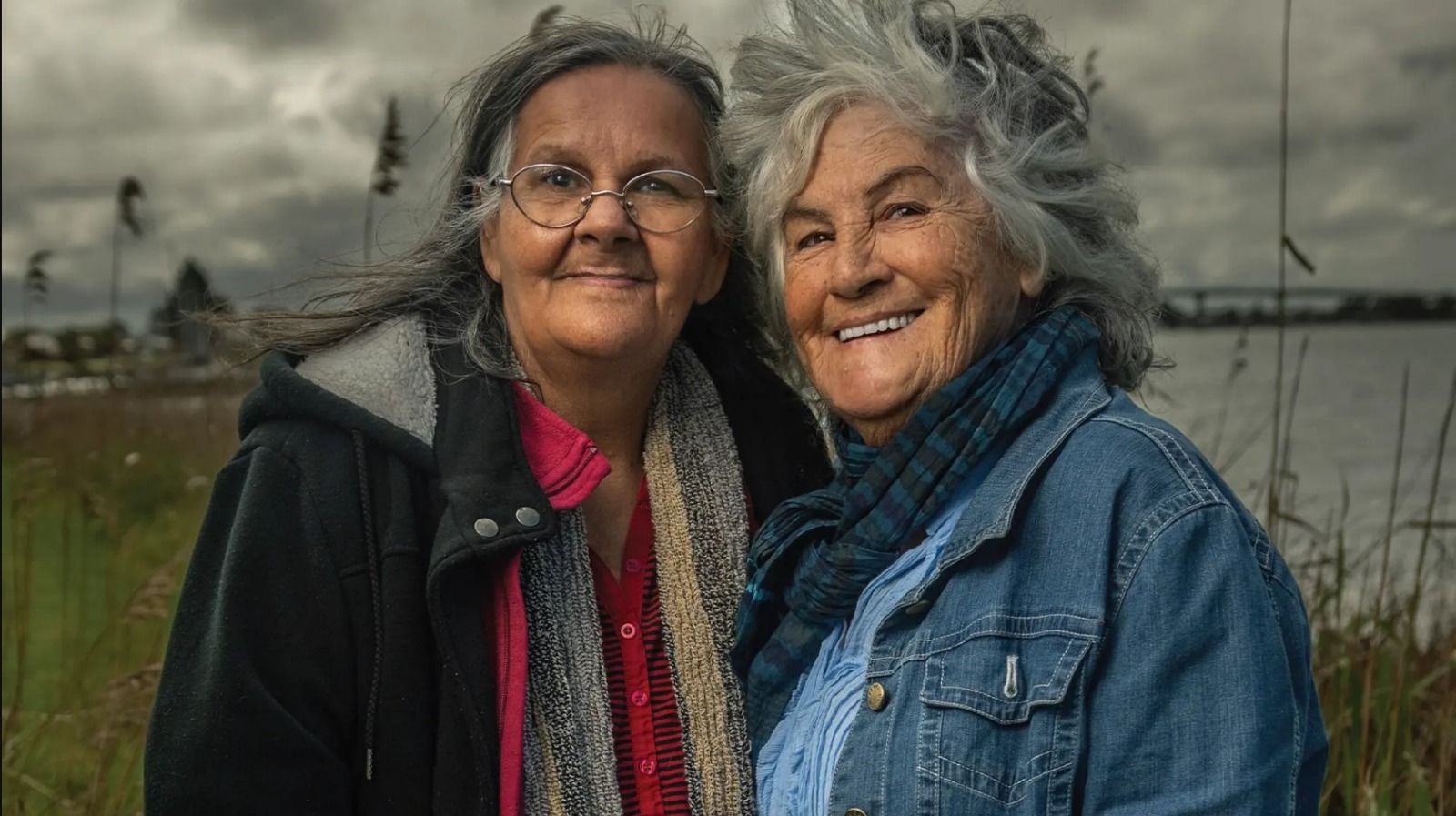
The 91 min feature documentary KUMARANGK: Sacred Women’s Business by the traditional Aboriginal Australian Ngarrindjeri/Wotjobaluk Tracey Rigney chronicles the decade-long resistance of Ngarrindjeri women against the construction of the Hindmarsh Island bridge in South Australia.
The 1990s political frenzy, media scrutiny, and legal battles surrounding Kumarangk (Hindmarsh Island) and the protection of sacred women’s knowledge, come to sharp focus when for the first time, the Ngarrindjeri women tell their own story, a fight that was never just about a bridge, but a sacred connection to country.
This is one of South Australia’s most hotly debated cultural stories which is being retold, making it more special, in that this time, by the women who lived it.
The documentary through extraordinary interviews and richly textured archive, restores humanity to one of Australia’s most divisive cultural conflicts which takes back the viewers into the political frenzy that engulfed the State, as Ngarrindjeri women’s sacred knowledge collided with powerful development interests, forcing the courts to grapple with questions they were never designed to answer.
Revealing Kumarangk as a living place where birth, burial and ceremony are inseparable, the film restores humanity to a conflict too often reduced to politics and headlines, returning this defining chapter of South Australian history to the women who lived it.
According to those associated with the docu-feature “the film is an incredible way to platform and immortalise the voices of the Ngarrindjeri miminar (women) decades on from their resistance to the building of the bridge to Hindmarsh Island.
The film, directed and co-produced by Ngarrindjeri, maintains the authenticity of voice, cultural integrity and cultural safety. We have prioritised First Nations capacity-building across all elements – and where there is a skills shortage in the industry, we have paired First Nations creatives and crew with experienced heads of department to support development.”
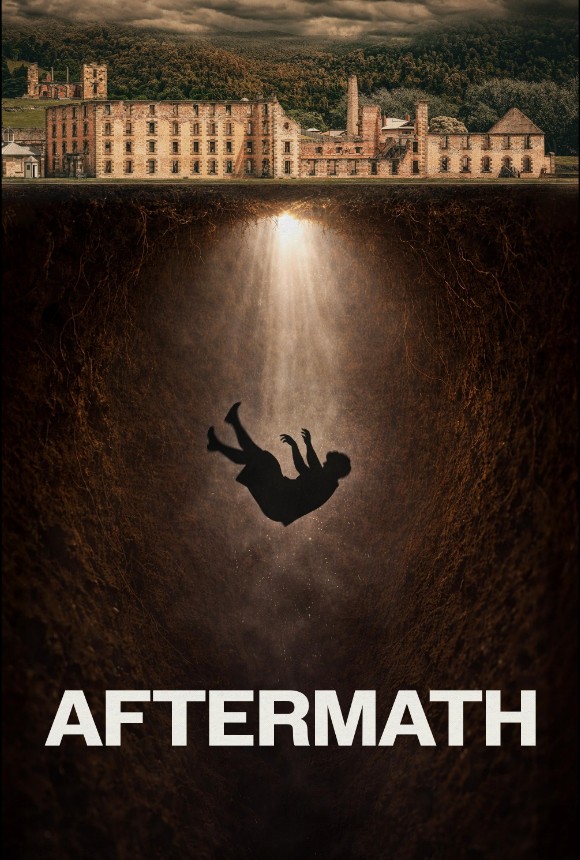
A massacre survivor and a filmmaker form an unlikely bond as they slip down the rabbit hole of paranoia, in a desperate search for solace and truth in the 98 mins Aftermath by the director duo – Jared Nicholson & Ben Lawrence.
As filmmaker Nicholson follows the massacre survivor Wendy Scurr’s decades-long pursuit of truth, he is intrinsically drawn deeper into her story, and becomes entangled in a web of trauma, obsession and misinformation.
Who takes care of the emotionally scarred survivors of an atrocity after everyone else moves on? This sobering and insightful documentary bears witness to trauma’s harrowing effects and the seductive pull of alternative facts — where even the unlikeliest of people can be ensnared.
For many years following the Port Arthur massacre and the trail of unimaginable devastation that had left 35 locals and tourists dead, information officer Wendy Scurr battled for proper support for herself and the fellow first responders who saved innumerable lives in the bloody aftermath.
With politicians of the day steadfastly refusing to open a public enquiry, conspiracy theories took centre stage in the vacuum that followed, as Wendy and others began to question what little was made available by the official narrative.
Years later, emerging documentary filmmaker Jared Nicholson met Wendy, trying to understand how survivors are reshaped by such monstrosity. When her understandable paranoia began to bleed into his own investigation, reopening old wounds of his own, Jared reached out to Ithaka (2021) filmmaker Ben Lawrence for a fresh perspective on the quagmire surrounding the unbearable tragedy. More than a documentary, Aftermath is a reckoning with truth itself.


Leave a Reply