
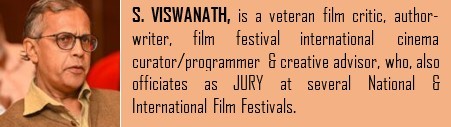
S Viswanath
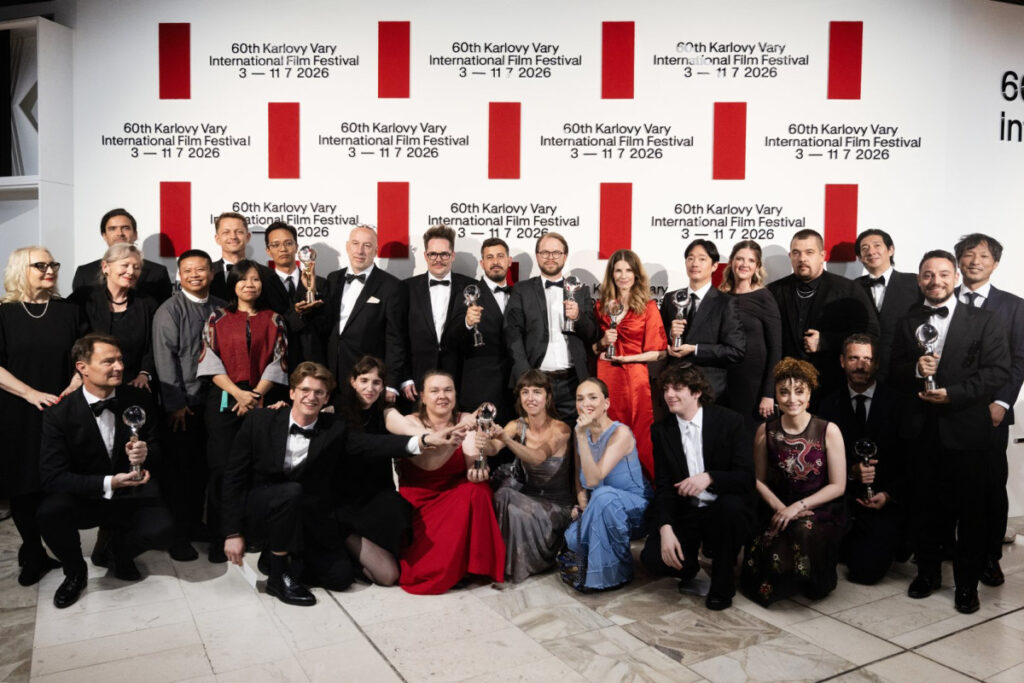
Curtains came down on the nine-day, twin milestones celebrating (80th year of its birth & 60th Edition), Karlovy Vary International Film Festival at the gala closing ceremony with the festival’s juries presenting the various awards for the best films with the pledge that the film festival would return on the calendar dates of July 2-10, 2027, next year.
Self-styled as non-specialised film festival, the Europe’s leading and most prestigious film extravaganza in Central and Eastern Europe, recognised as one of globe movie marquee’s oldest must-go, must attendcinema jamboree —alongside Cannes, Berlin, and Venice, the 60th edition saw some of celebrated cinemas covet cine audiences that had congregated from world over to fete contemporary films currently doing the film festival circuit rounds winning awards and accolades.
The festival’s premier Crystal Global Competition, whose five-member jury comprised of The New Yorker Film Critic Justin Chang, Kuala Lumpur based Malaysian filmmaker Amanda Nell Eu, Czech sound designer, producer, composer, and educatorPavel Rejholec, Moscow born, French producer & independent film production house Sento Filmsfounder Nadia Turincev and Norwegian filmmaker & fellow compatriot Joachim Trier’s close collaborator Eskil Vogt bestowed the US$ 25,000 Crystal Globe Grand Prix award to the Myanmar film Fruit GatheringakaThit-thee Khu by Aung Phyoe.
The quintet jury, while unanimously picking the delectable, debutant film for the honour described “Fruit Gathering, (as a film) which begins as a lush and meditative portrait of work and friendship beforemorphing, unexpectedly and organically, into a harrowing drama of obsession and queerdesire.”

The Danish film The Guest (Gaesten) by Mads Mengel found favour with the jury who picked the film for the Special Jury Prize carrying a purse of US$15,000 while describing the film as “a squirmingly funny yet precisely modulated drama that subtly raises questions about motherhood, filial duty and mental illness.”
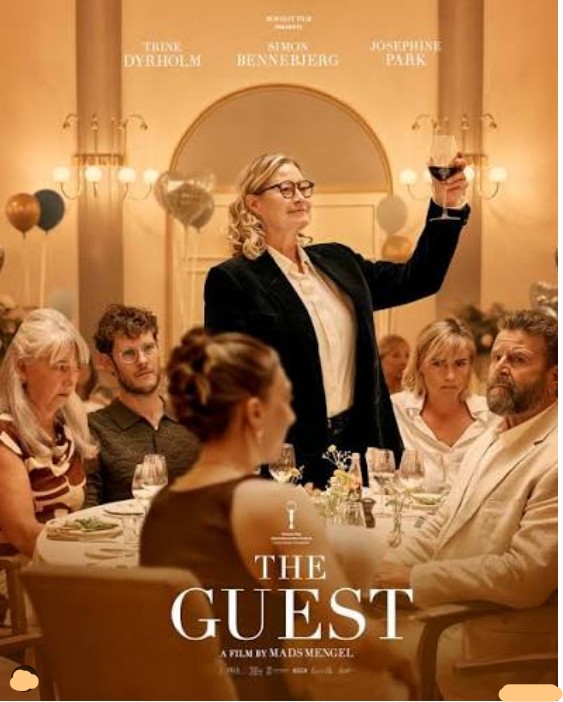
Not only that the jury which effusively praised the director Mads Mengel “for giving us a seat at the table with a superb ensemble ofactors, orchestrated with great intelligence and tonal assurance,” bestowed the Crystal Globe Competition’s Best Director Award on him, making it a double bill for the debutant director whose film turned out to be captivating and scorching tour de force of family dynamics and filial equations.
Though another equally enterprising and enthralling A Happy Familyby Swiss filmmaker Jan-Eric Mack lost out on the above awards the film however fetched Anna Schinz the Best Actress Award “for her gripping, hauntingly restrained performance as a mother driven todesperate extremes.”
The Best Actor Award went to Ghassan Saad for his poignant and impeccable role in the Beirut born Lebanese director Karim Kassem’s Pipes “for fully inhabiting the role of a longtime village plumber who greets everysetback with surprising warmth and gruff good humour,” as the jury sought to put it.
The Karlovy Vary Film Festival’s highly coveted, non-statutory premier audience prize determined by votes cast directly by festival attendees – the Pravo Audience Award – instituted by the prominent Czech Republic’s centre-left national daily newspaper, was given away to Prague’s very own acclaimed and veteran filmmaker Helena Trestikova’s (Bára – Diary of a Rockstar / Bára Basiková) a compelling time-lapse documentary about Czech rock icon Bára Basiková, and distinctive Czech vocalist of her generation tracing her journey from her early music beginnings to her chart success and personal life – spanning a period of 30-50 year portrait.
The festival’s five member Proxima Competition Jury featuring Guadalajara International Film Festival (FICG) and Cineteca UDG’s General DirectorEstrella Araiza, Hamburg-based Tamtam Filmproducer & co-founder Dirk Decker, Czech screenwriter, festival organiser, film critic,creative producer & director Jakub Felcman, Film Comment EditorDevika GirishandLithuanian director &screenwriterMarija Kavtaradze rewarded Slovak director Martrina Buchelova’s Lover, Not A Fighterwith the US$15,000 prize purse Proxima Grand Prix Award.

The jury justified its unanimous choice evocatively praising the film and its director as “in a world of cinema where grandiose ambitions (particularly the masculine kind) areovervalued, this beautiful film arrives tenderly, gathering the quotidian moments andrelationships that make up the substance of life into a film at once thrillingly familiar andoriginal. The director understands what it’s like to be young (she pulls of the Gen Z stylewithout making it gimmicky, a rare feat!) and that one never stops growing up change isconstant, bringing both wonder and loss. The jury was refreshed by the film’s extraordinarylightness, how it refuses to take itself too seriously while also portraying essential themes -the absurdity of family, the delirium of young love, the apprehensions of aging – withluminous sincerity.”
The Japanese film Incinerator(Shokyakuro)an elegant and evocative coming-of-age flick revolving around a 10-year-old schoolgirl by Shuntaro Uchida saw the jury present the film with Proxima Special Jury Prize carrying a purse of US$10,000while appreciating the film for its “deceptive simplicity — its subtlety and lightness bely layers of poetry andprofundity. The director beautifully adopts the perspective of an unusual young girl who sayslittle, but senses everything ; like a Richter scale her face records the unspoken tensionsand tremulations of everyone around her. We also applaud the generosity of this film: howfully it colours its world; how it accords all its characters grace even while showing us theirimperfections; and how it caresses us, the audience, with its patient, loving touch.”

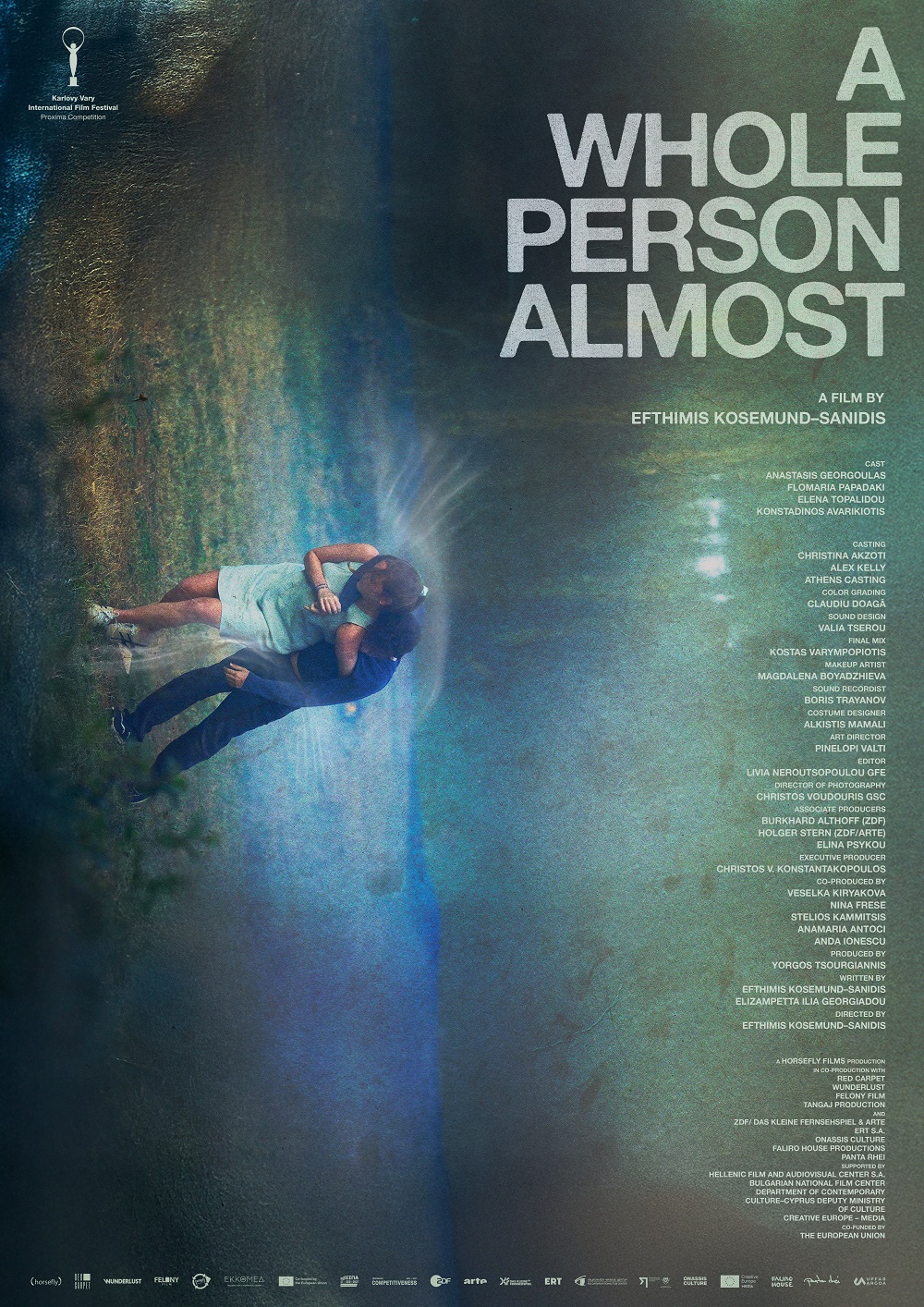
The Greek-German director Efthimis Kosemund-Sanidis was presented the Proxima Best Director Award for his wholesome film A Whole Person Almost(Enas oloklirosanthropos schedon)lauding the
the director “for using to cinema to capture and represent both:the cosmic and intimate aspects of life that cannot always be articulated or explained, butcan only be deeply felt. He balances different tones with great deftness, bringing levity anda touch of magic to the serious subjects like disability, loss, and estrangement. We cannot wait to see what he does next.”
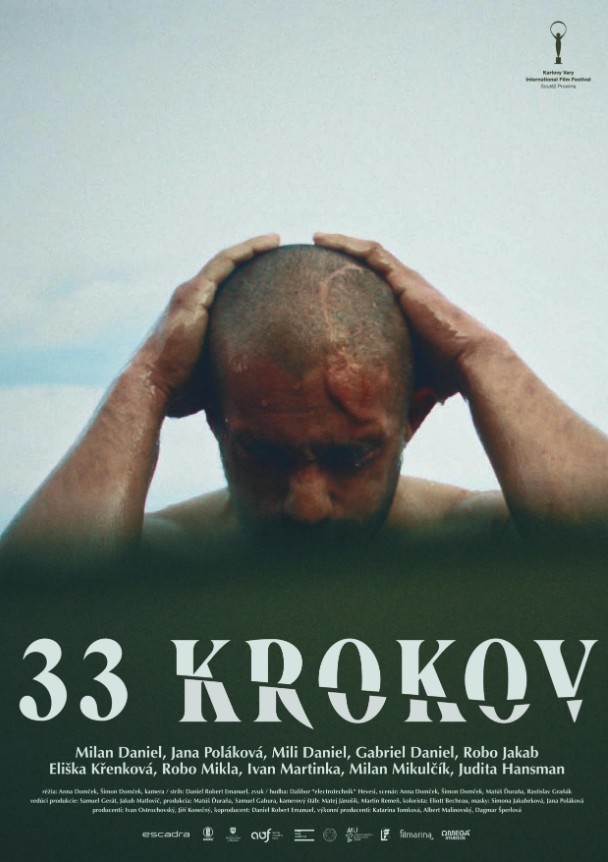
Observing that “33 Steps (33 Krokov)is an audacious film—one that, though inspired by an incident of brutal bigotry,goes beyond the simple narratives of victimizer and victims. Instead of reducing those whobear the brunt of racism to mere symbols, it goes deep into their inner lives and confronthard truths: about the nonlinearity of trauma, the nature of inherited fear and the difficulty ofclosure in a broken society. The jury commends Milan Daniel and his family for channellingtheir real lives into candid and vulnerable performances that never shy away from complexityand which demand our outrage instead of pity,” the five member jury rewarded the Slovak’s husband-wife director-duo Anna &Simon Domcek with Proxima Special Mention appreciation.
Among other award winners include The Lion At My Back by Cyprus director Tonia Mishiali who received The Ecumenical Jury Award presented to films from Crystal Globe Competition that “display high artistic quality while questioning social, political, ethical, and spiritual values” with the singular express objective of promoting “directors who emphasise the search for truth, justice, and hope in accordance with Christian Gospels.”
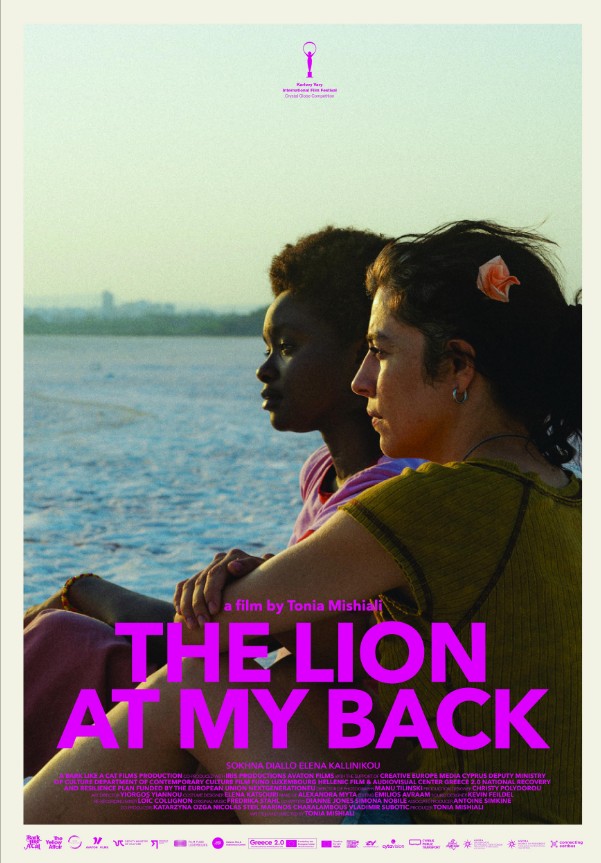
The three-member Jury comprising of Hans-Martin Gutmann, Lukáš Jirsa&Valérie de Marnhac which praised the film, which “through dense, realistic imagery that becomes metaphorical at key moments, the film tellsthe story of eighteen-year-old refugee Mariama and forty-year-old Cypriot Stella, with whomshe forms an increasingly close bond.From an ecumenical perspective, The Lion at My Back has a Gospel narrative. Surprisingly,Mariama becomes a Christ figure for Stella and others who, through their own strengthalone, cannot find their way out of destructive domination.”
The prestigious Europa Cinemas Label award created in 2003 by Europa Cinemas Network and Cannes’ Directors’ Fortnight in Cannes, awarded by a jury of cinema exhibitors to one European film at five major film festivals across the yearBerlin International Film Festival (Panorama section), Cannes Film Festival (Directors’ Fortnight), Karlovy Vary International Film Festival, Locarno Film Festival&Venice Film Festival (Giornate degli Autori) which awards the best European film among those selected for Crystal Globe Competition &Proxima Competition, picked Serbian filmmaker Miroslav Terzic’s 3 Weeks After (3 nedelje posle).
The jury comprising Sophie Jansen, Nataša Jurčová Findrová & Grégory Le Perff noting that it was a unanimous decision to award the Europa Cinemas Label to 3 Weeks After observed that “we had a tough decision in front of us, because all 15 films competing for our award were good in their own way, and we are three different people, each with their own taste, yet this film captivated us right from the first shot and held our attention until the very end.”
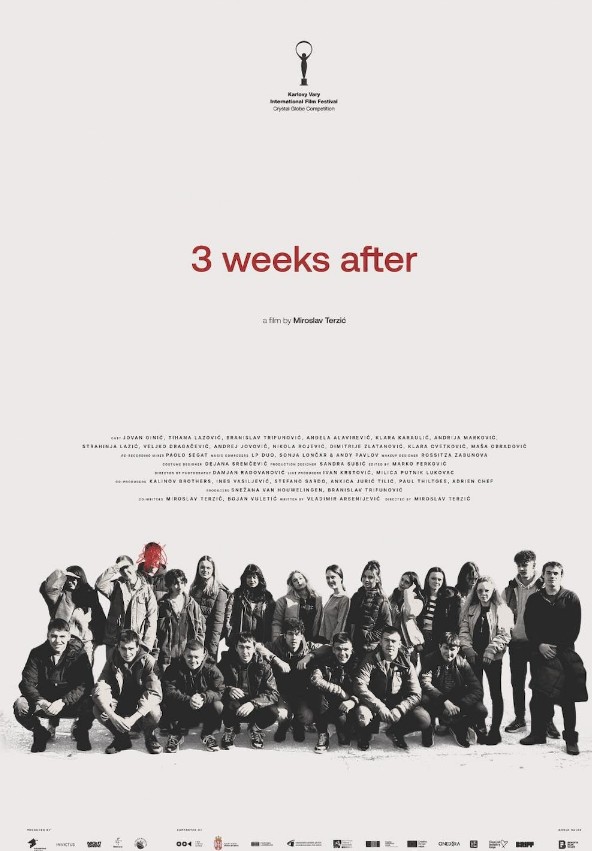
Further, the Jury appreciated “the ensemble cast delivers a remarkably strong and authentic performance. The storyportrays the lives of adolescents today through their own eyes, allowing their voices andperspectives to shape the narrative in a genuine and convincing way. At its core, it’s fuelledby group dynamics.Miroslav Terzić’s filmmaking is stunning in every aspect of its craft. The film urges us to trulyhear young people, be there for them and not look away!”
Likewise, the International Federation of Film Critics Jury – FIPRESCI Award picked Only Beautiful Things to Look At(Prameň) byIvan Ostrochovský from the Crystal Globe Competition and Croatia’s Petty Thieves(Sitni lopovi)byMate Ugrin from the Proxima Competition, as films that best promote film art and encourage new and young cinema.
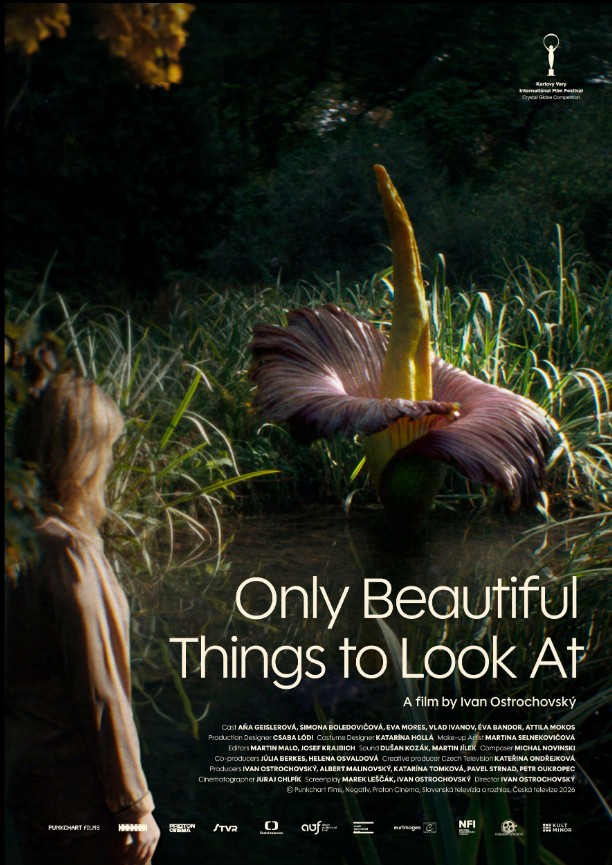
Appreciating Only Beautiful Things To Look At (Pramen) the jury observed that Ivan Ostrochovsky blows the lid off a very touchy topic for bygone Czechoslovakia — the ethical implications of the state-sponsored sterilization campaign of Roma women. Steering clear of both un flexible realism and folklore, Only Beautiful Things to Look At is also a visually alluring nostalgic trip into the Eighties, and most of all, a story of friendship and solidarity among two strong women from different backgrounds.
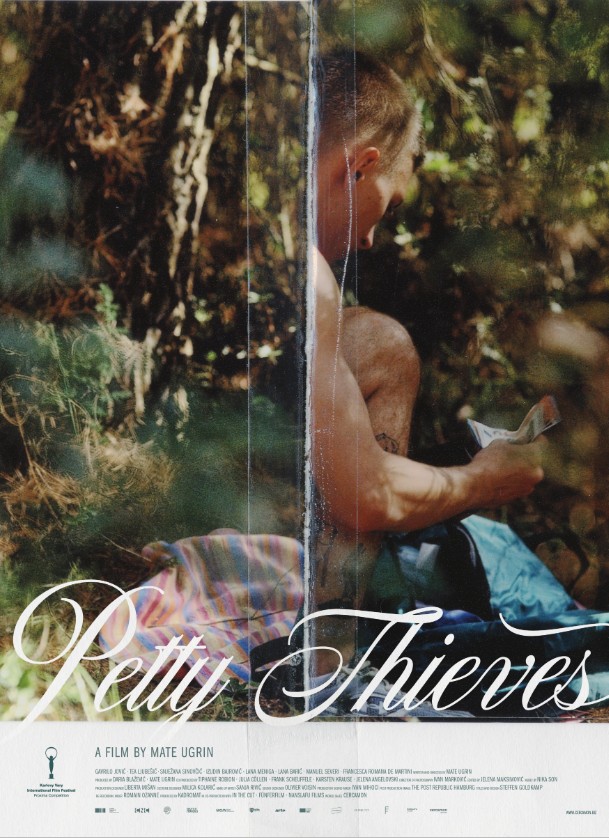
Likewise, of Petty Thieves (Sitni lopovi) the jury said “this impressive first feature finds depth and beauty in lives too often left unseen. Throughrich atmosphere, lingering observation and a seductive sense of mystery, the director craftsa quietly universal portrait of a generation caught between economic hardship, fracturedhuman connections, and the search for belonging and dignity. It’s a summer film with a darktwist, one that marks the arrival of an exciting new voice in European cinema.”
Indeed, a sense of nostalgia, warmth and immense appreciation enveloped one as yet another fantabulous and fascinating edition of Karlovy Vary International Film Festival drew to a close having mesmerised movie buffs and avowed cinephiles with a fascinating potpourri of captivating contemporary and classic cinemas through its nine-day festivity filled fare. Adieu! Sbohem!





Leave a Reply